Synopsis
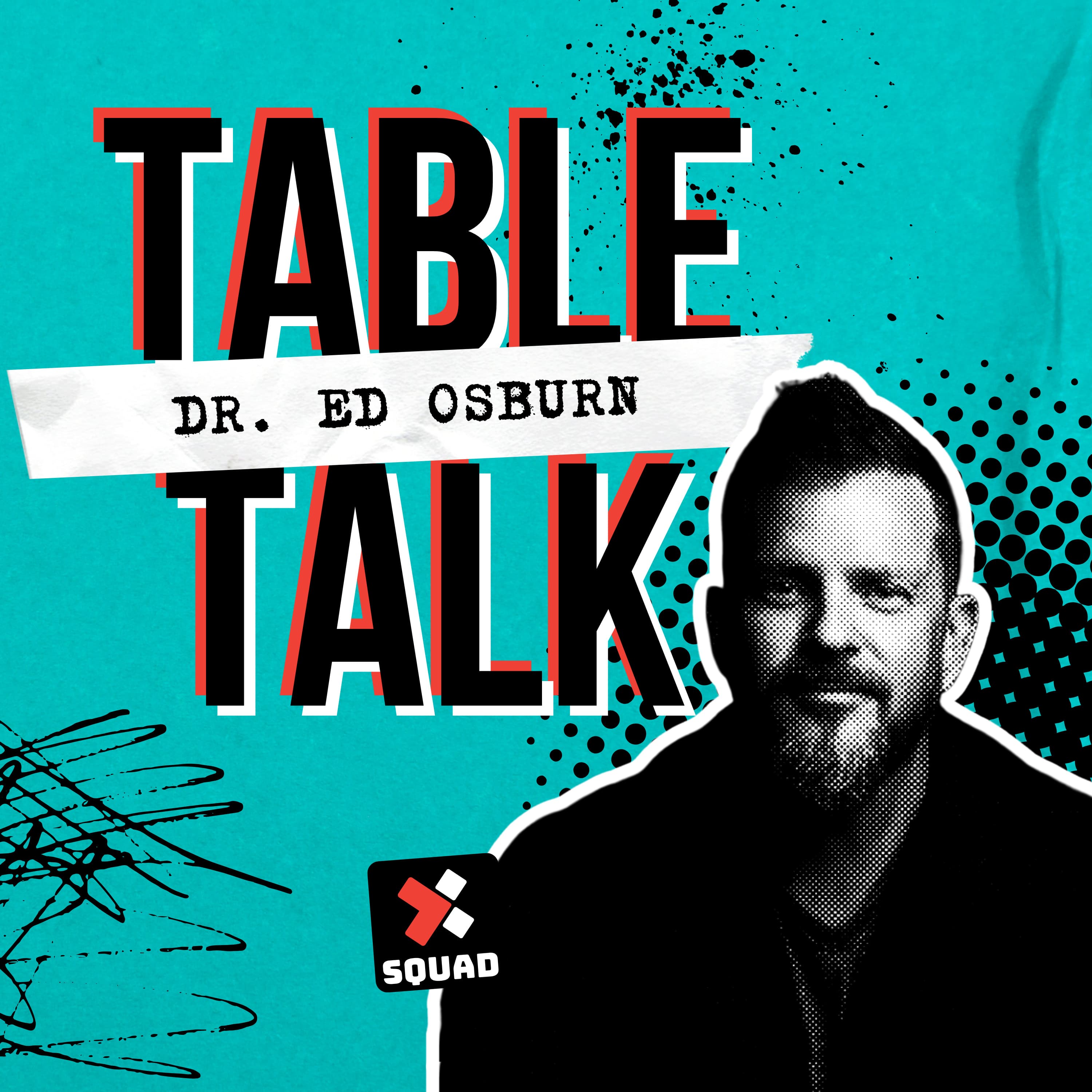
Dr. Steve Tullius and Pacha Hornaday host Dr. Ed Osborne, who built one of chiropractic's largest podcasts after being diagnosed with Crohn's disease, to discuss how artificial intelligence is reshaping the profession. The conversation covers the trust deficit around AI, why most chiropractic websites are invisible to AI search tools, and why differentiation and documented results will matter more as AI becomes a competitor for patient attention.
Dr. Ed Osburn shares why artificial intelligence should be viewed as a tool that strengthens chiropractic rather than replaces the thinking and certainty of the doctor. He reflects on how AI can accelerate communication, content creation, and practice efficiency, while cautioning against using it without a clear philosophical foundation. The discussion digs into prompt quality, critical thinking, and the responsibility of filtering AI-generated information through a subluxation-centered lens. The message is clear: technology becomes an asset when it supports clarity and communication, but it becomes a liability when it begins shaping the message instead of serving it.
Key takeaways
- 1
AI Trust Deficit Is a Subluxation
The panel argues that unclear, inconsistent messaging about what chiropractic actually treats is undermining how AI systems evaluate and recommend the profession.
- 2
Get Your Practice Recommended by AI
Most small chiropractic practices have no online strategy at all, and the hosts outline concrete steps, like citing peer reviewed studies, to get surfaced by AI search tools.
- 3
Differentiation and Results Will Matter More
As AI enters the field as a competitor, practices that track and document objective patient results will stand out from generic, AI generated content.
In this episode
Jump straight to any moment.
If you liked this episode, be sure to check out
Full transcript
Made by speech recognition, with names corrected. It may contain errors, so check quotes against the audio. Spot a mistake? Tell us.
0:00Dr. Ed Osborne's Journey Through Crohn's Disease Into Podcasting
Host 1 0:00
Foreign.
Show intro 0:05
Wants to make a bigger impact. What's getting in your way? You're tuned into the Subluxation Squad podcast. One squad, one mission, Chiropractic for all.
Host 1 0:16
Hey, everybody. Welcome to another episode of the Subluxation Squad. This is episode 30, which doesn't sound like a whole lot with, considering the guest that we have on today who's had almost 500 podcast episodes. So I was feeling really good about 30, but now I realize got a lot more work to do. Pacha, good to see you. Welcome Dr. Ed Osburn to the show. Thanks so much for being with us today.
Guest 0:42
Oh, my pleasure. I'm excited.
Host 1 0:45
Yeah, you know, I. We had a chance to really connect, you know, a couple weeks ago. I was on your podcast, the Chiropractic Philanthropist, which highly encourage everyone to go check out and make sure you follow and. And start listening to those. Some really great interviews there. And I'm really excited about your thoughts today on. On what we're going to dive into. But before we do that, if.
Read the full transcript (7,363 more words, 11 more chapters)Hide the rest of the transcript
Host 1 (continued) 0:45
If you could just share more about yourself and your story in chiropractic, and that way the. The people listening can get to know you better.
Guest 1:17
Yeah. Fantastic. So I feel like I've told the story so many times, but here we go. Yeah. I practiced in St. Albert, Alberta, just outside of Edmonton. For I was educated down in. At Life West and in the States, spent six years down in the States, came back up into Alberta, opened a pediatric family practice, and we were very successful for the practice for about 14 years. And yeah, just life, universe. Circumstance hit me and I was diagnosed with severe Crohn's disease. And you know, of course, like everyone does, like, I tried to do everything I could, you know, saw every practitioner I could for over a year just to try to heal my body.
And it did, by the way, it did actually heal quite, quite a bit, except for 1 spot, 1 cm, and it structured and I ended up having a terrible time after that and having pretty much all of my bowel removed. So anyone who's listening who might empathize with that, being a busy chiropractor, you know, seeing 700 patients a week, your life is completely changed when you can't. Can no longer function at that capacity. Right. So, yeah, I lost the sense of who I was, my identity. I couldn't practice anymore at the level I. I desired. I spent a lot of time at home because I was sick a lot and I was, you know, quote unquote sick, as we say.
And yeah, I just spent a lot of time in my Basement. And this is where, you know, I started doing podcasting. And, and I want to thank you so much for the accolade of saying, you know, I have so many podcast recordings. But what most people don't know is I had many failure. So TCP was the one that took off. But if you were to go into my itunes or Libsyn account of the, of the podcast we pulled down, there was probably four or five of them. That didn't make it interesting to know. Yeah, nice.
Host 1 3:10
Yeah.
Guest 3:10
And that's got, that's kind of where it got me to, to where I am now. And kind of honestly, you know, the podcasting was back then. It was 2014. Right. So this, it was. I was very fortunate to plant my flag at the, at the right time. And it was a great way to meet a lot of highly influential chiropractors at the time too, which, you know, increased my visibility at the time and helped a lot of like we still are on that mission to, to create this, this legacy. This I call this legendary library of, of chiropractors voices. So it's really cool.
3:42The Podcast's Goal of Reducing Chiropractor Isolation
Host 2 3:42
Yeah, that would have been my, my next question, like, what's your goal with your podcast? What are you trying to achieve? So it's like a collection of like, this is what chiropractic is about, sort of.
Guest 3:52
Well, yes and no. I mean, like, I think at first it was really, I just wanted to, to have chiropractors feel less isolated. I felt there was a lot of isolation and this is way pre pandemic. But most people who live like in a, like my town was 70,000. I only knew one or two of the docs who practice. I felt isolated. If I wanted to go and feel like I was in a room of people who were like minded and practiced like me because there's so much division in our practice, our profession. I had to go fly across the country, go down to the States and, And attend seminars. And so I wanted to be a voice.
I wanted to everyone have a voice and see also all that we are are all more alike. That's our moniker is that we're all more alike than we are different as chiropractors. We all want to serve and we want to help people. And that was really, really the purpose at the time. Now I, I kind of just choose people like Steve and I'm like, I just want to have really interesting people who I see are doing something that's powerful. And I just. Interesting conversations now. So I'm, I'm just very grateful. I'm able to do that.
Host 1 4:57
That's awesome. Yeah, it's, it's. Pacha and I were just talking about this before you jumped on. It's, it's, it's kind of addicting. It's, it's just fun to, to talk with cool people and, and to hear their thoughts. And Pacha's really helped me to be more open minded in a lot of ways. She asks really great questions and, and I have to stop and, and think and question my own thoughts and on things and be more flexible. So we make a really good team and we're glad you're here. So wanna, you know, the question we ask everybody because this is what we're trying to do.
We're, we're trying to, we believe that we're a very subluxated profession in a lot of ways because we're not reaching our potential yet. We're, we're not reaching the masses. We're not having the, the, the big impact that we could be having personally in our practices, you know, and also professionally for humanity. So you have a very unique perspective because of all these people, you've talked to, all these leaders over the years. But also I know you're really diving deep into this next frontier around AI and what that means, you know, for the future, which, man, there's a whole lot there. So curious to hear what your thoughts are.
What are the biggest subluxation, subluxations impacting our profession right now?
5:25Biggest Subluxations Facing the Profession Right Now
Guest 6:15
Yeah, and that's, it's a really, that's a really difficult question to answer because no one can kind of foresee the future. You know, if we were to look back even two years ago, you know, and I've been using AI quietly with clients since 2021. So we've been, myself and my team, we've been using AI for a long time. You know, if we, even two years ago, if we were creating videos, you would have six fingers and you know, like if you look now, people can't even distinguish sometimes between it's, it's you or whether it's reality or whether it's, it's not. So even, you know, there is a bit of a trust deficit when it comes to AI.
I think there's a trust deficit now even more so than ever, even when it comes to our profession. So when you ask about the subluxation, I think it's about our clear messaging. I think that, you know, everyone needs to get on board with a couple things. One of them being the clarity in what is a subluxation. Are we going to use this? Are we going to use this as our defining statement? Right. Definition of chiropractic and what we do and how we serve the public in the future. And is AI going to get on board with that?
Because if we don't get on board as a profession with messaging, it will never recommend, and we're seeing this right now, it won't recommend you, it won't recommend your practice. People don't go to, to Google anymore and say, hey, I have low back pain, you know, one or two words in Google and search for offices. They go to open source and they say, hey, I woke up this morning and I'm really sore and it's right here. And what do you think it is? Okay, great. What, what should I do? Who should I see?
And it'll, AI will recommend someone and we need to make sure like that it's going to be a chiropractor, otherwise we're going to be in trouble. And it could be six months, could be 12 months. I feel like it's such a downer to say that, but it's the reality.
Host 1 8:11
It is the reality. So for, you know, years ago, I used to be, have a website company and we were doing search engine optimization and I was trying to get the leadership at the time to invest in this and say, guys, we gotta be winning this war. And no one wanted to do it. And I didn't beat the drum long enough because SEO was not a fun thing to do. It wasn't, you know, if you want to get results fast, that's, that's not the way to do it. It is necessary, obviously. And so now we're entering this a AIEO era. And you're absolutely right.
Last night I was working on some testimonial slides for a workshop that I was giving and I put in, you know, these are real testimonials, real people. You know, I had cloud code scrape my YouTube channel, which I just realized I could do. That was really cool. And it went through and it found the best testimonials particular workshop. But it, it would not, when I put it into cloud AI, it would not create the slides because the testimonials told the people that they got off their medications, it wasn't around back pain, neck pain, and it wouldn't do it.
Guest 9:25
Right.
Host 2 9:25
Yeah.
Host 1 9:25
So yeah, you're, what you're describing is a very big issue for sure.
Guest 9:30
Well then. And I, I think it's just the fact that a lot of chiropractors are not even considering nor preparing for what's happening, going to happen. So I was beating the drum in 2014, 2015, you know, with podcasting. I was like, every chiropractor needs to have a podcast. And I, you know, 600 chiropractors jump on board. But that's not the whole profession. And if you fast forward to today, there's so many more chiropractors, you go, oh, podcast. Yeah, I intend to do that someday. Like, it's, they're open to it now, but it took 12 years, man.
Like, we don't have 12 years when it for me to beat the drum, right, of AI and say, hey, look, your website, yes, it's important. SEO is important, aeo, so answer engine optimization for your site is important. More important is your Google profile. People are using your Google profile. They don't even go to your website half the time anymore. So there's, there's, there's, you know, an A.I. by the way, scans. I, I prepared for this conversation today by actually researching everyone here, like on, on, on Claude. Like, I mean, this is, this is how I prepared. I'm like, give me a 2 sheet on what I, what we could possibly talk about.
Tell me about the themes, scan their podcasts and all their show notes. And you know, in the past, I'd have to listen to three or four hours of episodes to kind of get on board. So I just think that chiropractors need to really not just leverage AI, but they need, and I can talk about, I get really passionate about this, by the way, because I know it's so important, but they really need to prepare. You know, when we're, when a physical therapist in your community is being referred to or the preferred go to from open source. This is a problem. You know, you need to show up, you need to be preferred.
Host 2 11:22
I, I got so many questions. Well, my first question I guess would revolve around is suffixation. Like you brought it up earlier is subplexation. The word that we should be using is chiropractic. You know, as we promote practices and the profession and will AI accepted as the term to describe what, what's happening or what problem we're solving? So that, I guess that would be my question, my first question, like, what do you think? Is this the, the way to do it? Or should we use something that people are already familiar with, that they're using to describe what's going on and then lead the conversation from there?
11:26Will AI Accept and Recognize Chiropractic
Guest 12:08
Yeah, I mean, and an open source has no feelings, okay? It doesn't, it's not philosophical. It will, it will Recommend based on literature and based logic. So if you come from that perspective. Yeah. It, it will say, okay, here's, here is the chiropractic perspective on subluxation. It will also state very clearly that there's not enough literature, there's not enough studies or like large studies on subluxation to, to back that up. But here, but it will explain, it doesn't have a fairly good understanding where it never used. It didn't in the past.
It does understand, but it will then also go into here's the medical definition and here's what that means. And, and I think, you know, so number one is my answer to that would be have more studies and literature that is peer reviewed, larger studies. There's, you know, we, we know there are more studies coming out. Have that literature on your site. Like, you know, even if it's on a back page that's hidden, like AI will find those pages even if you don't have them. Like published pages, have them quoted, have them in your FAQs, you know, just have footnotes. AI loves literature and studies and research.
It will, it doesn't want to recommend and will not recommend people who, who are anecdotal. Right. And that includes testimonies. So it doesn't really rate testimonies, especially stars or testimonies, especially bland testimonies. But it does preference testimonies that will refer to like if someone wrote something on your Google profile or you have it on your site. That's like, here's what I, here's what I came in for. Here's what helped me specifically and here's what I'm experiencing today. And that's the patient's perspective. And I think a lot of people have sites that like, hey, I love Dr. Smith. He was great.
I'd recommend him to anyone. Yeah, right.
Host 2 14:07
The team is awesome. It's a beautiful office. I know it's good to have those things, but it's not enough. Tough to have those things. I agree. Yeah. So when you, when you say doctors should have links to studies in their footnotes or in FAQs or somewhere hidden on their website, do you like, does that actually help the doctor or is it more for the profession?
Guest 14:30
Like, it helps the doctor. So I'll give you an example. You know, we, we've been working very, very, in a very, very deep fashion with the document who's kind of a little bit more in a rural area in Ontario to make sure that he has, he is actually one of the referred doctors from AI. So we just did A scan and check because it takes a little time to populate this stuff once you start doing the work. So he shows up number four. So he's number four on the recommended list.
But the interesting thing is that the three, three offices above him that are so 1, 2 and 3, one of them doesn't even do the same service that we were searching for the specialty. Because everyone should be known for something. To be an authority, you got to be known for something. You can't be a master of all. And the second office was the, wasn't even a chiropractor. And then the third office was not even in his region. So, you know, he, he, we. I know I'm 100 confident we can get him to number one.
But if you, then we can go and actually even look at these other offices that were recommended and we're like, why, you know, why would open source recommend these? And actually we, we can even ask open source, like, why did you recommend. So I, I think it's an important conversation and I know that everyone, hopefully everyone who's listening to this right now, they're going to open source. Am I the opp, you know, the recommended doctor in my, in my region?
Host 2 15:51
Yeah. How do you do that? Like, do you use like an incognito window or like, how do you, I mean, yeah, unless you never, you never talked to AI before. It'll know why you ask.
Guest 16:03
Yeah. So we can go in incognito. We can use different ways that they really kind of mask whether or not because you hit the nail on the head.
Host 2 16:11
Right.
Guest 16:12
So if I go in right now and I was to say, you know, who recommend a chiropractor in my area and I'm in practice, you know, I'm going to show up, right. Because open, Open source wants, it wants to placate to me. It wants me, it wants to be my friend, it wants me to come back. Right. But anyone else who searches that, they, they may not get the same answer. So the best way to do it is just to have a friend, someone from a different Internet source, do it from a different location and see what their answers are, do some research. You know, a lot of doctors just don't want to put in the work to find out or have someone who help you with it.
But I think the biggest challenge I see here is that again, I quoted that stat 88% of, you know, small businesses, and this would include chiropractors don't even have a plan like they have. Like, that would be like not having a website Right. And, and if you're, and it's going to be a quiet disqualification, you're just going to notice, hey, I don't see as many people call and the phone's not ringing as much. You know, it'll be quiet. But it is going to happen in the future. So back to circle back to your question. You know, the subluxation question. I don't think there's anything wrong with having subluxation in our fil.
You know, just define the terms. Like what is it, is it philosophical? Here's our philosophy. There's nothing wrong with having a philosophy on your pages, but we do need to have solid research data, even post your fees like things like that answer, you know, your frequently asked questions, preface your questions, exactly how someone might ask them in AI and answer them. Those are the things like the, the little things that are going to make sure that you show up. And a lot of doctors just aren't even paying attention.
17:21Why Most Chiropractors Lack an Online Strategy
Host 1 18:01
Well, you know, and that's, that's what boggles my mind too, you know, when I, when I talk to doctors or other small business owners too for that matter. The, the fact that 88% are, have no strategy or aren't even on it at all. I, I have a psychologist friend who myself and another friend, the three of us helped, you know, two of us helped him get on. We actually had him download Claude on his phone and, and now he's starting to do it and we have accountability group with them. He's posting on LinkedIn, he's post, you know, if, if we, if people aren't doing this, they're gonna get left behind.
And so what, I guess, how are you helping to solve for that? How, what are, do you, you know, what are you recommending people do right away? Are there, is there something you're currently doing to bring people up to speed?
Guest 18:51
Yeah, like, well, so we do, we do audits. So we'll do an AI audit of pretty much every, every source. So you have to think too like AI is, is not just scanning your website in your Google profile. They're looking for long form content. So if a doctor doesn't have any long form content on YouTube, they're pretty much never going to get recommended.
Host 2 19:10
Recommended.
Guest 19:11
This is why we come back to the conversation of 2014 of saying have a podcast. Well, unfortunately if you don't have a podcast, you're not going to get recommended. Like if you don't have long form video and I'm not talking short term form video on YouTube, that's important to get people to your channels and get some traffic. But we see that consistently the doctors who are recommended are in the offices recommended have long form content. So that's what we're helping with. Content media and not content media. That it's authority building content media. It's AI friendly content media.
It's not dancing with vegetables and trying to get views because honestly views don't matter. It doesn't matter. Like you, you don't build a business solely on volume of views. If that was the case, none of us would be chiropractors. We see such a small percentage of the population like we would do something else where you know, if, if it was important about the volume of people we see. Yeah. So I would say that that's the biggest thing that we're helping them with is, is number one, get clear, make sure that everything they have that's front facing online has a consistent message.
Do you won't believe how many, how many chiropractors don't have the same business address on their, so the, their Google address is not the same as the address they might see on Facebook. Instantly you will not be recommended. It doesn't trust you because AI won't trust you. And I get it too, Steve. You know Pacha, like a lot of doctors are going to look at this and go, I don't have time to do this. And that's just simply what we do is we actually use AI to help you get recommended by AI because it knows better than anyone. So that's how we're helping.
But also again, I don't want to downplay the conversation of subluxation because it is important to have your philosophy on your, on your sites and a lot of people, Bill, will come to you for that reason.
Host 2 21:14
So how do we get above the physiotherapists and the massage therapists and you know, the other guys?
Guest 21:22
Yeah, I think it's the same, same thing that I kind of mentioned is, is even do a self audit. You know, make sure that all of your pages are, you know, everything is lined up, same phone number, same addresses, your frequently asked questions on your pages or on your homepage, for example, you know, frame them like you would frame a question in open source. Make sure that you're soliciting, you know, strategically soliciting your reviews. So if you're, you know, in a ethical way so that it's, people know to say, hey, if you're, if you're comfortable with it, just explain your story. Why'd you come in? What, how, what were you Noticing.
And how did it help? You know, I think having long form content, whether you want to do it or not, it's very important to have long form content. And on social media those are the doctors that are going to recommend it. Mostly on Facebook, Instagram, forget about LinkedIn and YouTube is important. But we're even seeing on Spotify because Spotify has video and audio now and itunes, every one of those are actually really just big, big search engines if you think about it. Yeah. So having all of that content. And again, I get it. Doctors sit there and they go, man, I don't have time to build to do all this. But it's, it's, it is important.
Host 1 22:45
Well, you know, I think I'm a perfect example of it. I, I dragged my, my heels and in terms of getting a podcast and it wasn't until, and I got together and we're already talking so much already and we both wanted to, for us, it. And I can't speak for you, Pacha, but for, for us it was safe, it was safe to do it together. Right. So maybe you know, for those of you out there listening who haven't, you know, taken that leap, maybe find someone else who wants to do it too. Find a colleague who, or, or another type of provider in your area. Right. Too who's non com, you know, isn't competing with you and you know, do it that way.
But I think the, the key here that we're hearing from you, doc, is that they, they gotta, they gotta take that leap and, and just do it or else they're gonna really start to suffer over time.
Guest 23:43
Yeah. And it's, it's not as, it's not as challenging as you really think. Like if you did take one even once a month, just had one long form piece of content that you created. When I say long form, I mean 10 minutes, like a 10 minute video where you talk about knee decompression. I'm just using an example of pulling something out of like riffing and you talk for 10 minutes. Well, you can split that up into, you know, nine different reels. You can create long form blog content for social media from that.
I mean you can email it to your patients and, and what we're seeing now too, and we've been doing a social experiment on TikTok is like we, we post one piece of content per week now and, and we're still seeing a lot of like large following. We're still seeing huge amount of views, a lot of activity engagement and, and actually the, we're actually using AI, my AI clone to do that on TikTok. So we just have to show that we can do it with other doctors as well now. But you know, just to ask you
24:42How to Get Your Practice Recommended by AI
Host 1 24:45
about that, I was about to ask you if, if, if AI will basically doc or not rate recognized AI content. Even if it's a clone, like will, will it that do you think? Feel like is it downgrading it at all and, and will it in the future, do you think?
Guest 25:06
So right now it's, it's. It's a little early to say, right. So like I'll post something on social media like Facebook for example. If it is an AI graphic or an image for my podcast, it will get, it will automatically get like a, like a little flag that says AI content. Yeah, I, I'd say that different channels have different. So right now TikTok is really stringent. So if you, I, we like testing on TikTok because if we can make something work on Tick Tock, we, we spread it to all the other channels because we know it works. So test on TikTok and people are brutal on TikTok by the way.
And, and then take that content and repurpose it on every other channel. And that's another thing I want docs to really pay attention to is like you may do some really stellar content and then you let it sit for like you forget about it. If you had something that was performing really well, well, you need to repost it and keep doing like you have to take that content and keep reposting it and re editing it and putting it on different channels. And so, so something that works, you don't have to go create new content. You can actually use the existing content you have.
But to answer your question, you know, more specifically about AI cloning, I think it's just the reality that it's going to be on social, it's going to get flagged. I don't think it'll have less viewership because at the end of the day social is. They want people watching like they want people, they want you to win. So if your AI clone is winning and mine consistently outperforms everything I do. So if it's winning, they promote it. They want people on there for hours and trust me, I have done videos that will do this of me and then we'll do my clone, you know, in the next post and my clone might get 200, 000 views and that's crazy.
300 comments and 7, 000 shares.
Host 2 27:06
How do you feel about that? How does that make you feel as
Guest 27:11
a human, I don't know, like, I mean I so secretly I'll kind of explain, but I have doctors who I actually we use me as their front facing Persona. So my clone for their office videos and they're perform, they're performing really well. So I don't think it has to do with, I think it has to do with the, the information versus, you know, as long as it's valuable. Information versus volume. So docs think they have to create a lot of volume. I think it just needs to be valuable. It needs to be someone who clicks on it so they get attention.
They watch past seven seconds, they watch it in full and then the next thing they do is they watch it again. That's the most important like tip, biggest tip I could give you. Whether you want to do it live, do it like this or record it, or whether you wanted to use an AI clone. It's the same formula. Then the next step would be you want them to share it, save it. Right. And share it. And then of course they'll engage. Usually engagement is the last thing. So if you can get people actually commenting now on your, like if you ever check on Facebook right now, like we might see this, that nobody said it said anything. Right.
They're watching but they're not going to comment. They don't take the time to, to engage. But that's, that's kind of the, the flow you want to take people through. That's our secret sauce is get people through your video especially and get them watching twice. And yeah, my clone, maybe it's that the clone they're trying to figure out if it's a clone, who knows. So, so the, the point is they get the message and the value from it. And the comments that I get are not, hey, this is a clone. They actually like I agree 100 I've had people comment like this is the best content on TikTok because we tell the truth.
And you know, who many, how many chiropractors need to be out there telling the truth?
Host 1 29:16
Yeah. You know, so that goes back to what we've found in, in our episodes as we ask leaders in the profession what are the biggest subluxations. Number one is clarity and conviction. Right. So, and you obviously are very clear, you're very convicted. Two is communication. So being able to communicate that clarity and conviction. You've had over 480 podcasts. Well, and even some before. So, so, so you've, you've refined and perfected your craft of communication of your ideas and then the Third was systems. And you have a system to do this. So it's, I just, I see the parallels in terms of what you're doing and why it is working.
Guest 30:02
Yeah, yeah. And I, I think, you know, you know what is amazing is you've had a lot of really great converse conversations with chiropractors on here, on, on marketing, but also on like how to like on systems in their practice, on, on community so conversions and like there's lots of different conversations, but I don't see a lot enough, I don't see enough chiropractors talking about how AI is going to affect our practice. Here's what I hear. They go, I'll never be replaced by a, by AI. And I think those blank. That's a very, very dangerous statement.
Host 1 30:37
I agree.
Guest 30:38
Very dangerous. You know, it's never say never.
Host 1 30:43
Those, that conversation is, is. I mean, that's all. It's already in the works. I mean we're not the only profession that is addressing misalignments in the spine. And it's only natural, like we have to. It's only natural that within the next 10 years there will be AI adjusting and chiropractors. If the chiropractor is involved, they're going to be a, you know, a different level. And I think we need to really be talking about that. What does that mean? It doesn't mean we have to go away. We, and our philosophy doesn't have to go away. I believe that AI is going to be moving towards a place where it's the battle of beliefs. Right?
It's what we believe. What philosophy is, you know, is going to become the, the most dominant or maybe not dominant, but you know, I'm saying is it's going to be moving towards that eventually as jobs and all those different things are being done by robots.
Guest 31:45
I, I mean you can, but you can place an order right now for one of those Tesla bot, Tesla bots and it's 30 grand. Like imagine in, you know, three or four years and you know, some people like to shop at Walmart, right? So people, the chiropractor is like, oh, I'll never be replaced. Well, you know what, there's people who shop at Walmart. They'll go and they will, they'll accept the mechanical synthetic AI adjustment, they'll accept that. But there's also people who like to shop at Rolex. And I think that's what's going to happen is you're going to need to distinguish yourself as the boutique. What makes me different.
And you hit it on the head is going to be also the piece of philosophy, because AI will never have a philosophy. I feel like we're actually going to be entering into a new era of creation. Like what I mean, I mean, like human creative artistry, philosophy. Because we're going to have so much more time on our hands. I don't think even, like, you're not. Like, money may not need to even matter in the future. Like, everything will be provided for us. Give it 10 years, man.
32:23Differentiation Becomes Critical as AI Enters the Field
Host 2 32:58
Like, I really hope you're right. I really hope you're right. I love that idea. And I, I agree. I definitely agree on what you said about differentiation. That's like my, that's my world. I think it's already important, but it will just get differently important once AI enters the field as a competitor. Right. Like, that's just it. Like, some people, not everybody wants the same thing. Even, you know, even if you're basically selling the adjustment, you know, that's just one tiny little piece of the experience.
Guest 33:29
Yeah.
Host 2 33:30
So not everybody's gonna want AI and not, you know, some people only want AI because who knows why?
Guest 33:37
Yeah. I mean, totally.
Host 2 33:39
Yeah. I have one more question, Steve. I saw you. How important do you think are results to this whole conversation and, and the documentation of it for, for each practice? And you know how AI is picking that up?
33:39Why Tracking Results Matters in the AI Era
Guest 33:58
So, so, like, you mean client, like client patient results?
Host 2 34:03
Exactly. Like specific, like data. You know that because we're talking about data with AI, Right? That's what it, that's what it looks for. How important is it for practices to track their results in a objective manner? Maybe, maybe subjectively too, and, you know, present it in a way that I can take it apart and, and use it and, you know, then promote your, your office?
Guest 34:28
I, I think, you know, so results are so subjective, right? Like, I mean. Yeah, yeah. Well, I mean, I had patients who would, who had come in for. Who came in for 14 years because they came in, they got a specific result which might have been an objective result. Like they, they came in and they had a. Had, you know, quote unquote, black back pain. But now they come in and they just come in to get. To make sure that their nervous system is clear. And, and I, I think it's. I think it's important if, you know, again, if I was to put myself in the, in the doctor's position right now. And, and to answer your question, I would do a video.
I would, I would set up a room with the right lighting. You don't even need a fancy camera anymore. The cameras are so good on phones. I would sit them down, get a, get a, get a DJI mic that's 99 bucks off Amazon, put it, clip it on them, sit behind the camera and I would ask them questions. So I would lead people through a testimonial and record it on your phone. You can even have AI edit those for you now with the video. And then I would put that on YouTube and I would embed that on my website.
And you know, right then that AI is going to see it and they're going to hear it because it'll, because when you load to YouTube, it'll transcribe, it'll put the captions and I would leverage those testimonials. So you say the results, people will speak for themselves and see results and AI will scan those and go, here's what people found. You know, they, they came in, they had headaches, they don't get them anymore. And I know we're talking a lot about symptoms, but we, you know, AI, we have to meet it there.
Host 2 36:03
Right?
Guest 36:04
So that, that's what I would say in terms of like results, like document everything like you said.
Host 1 36:12
Oh, well, I, I do have more questions, but I, I know we would just keep going and going and so I'd love to have you back another time, doc, because you have a ton of value to, to offer the profession and, and docs out there. So for now we're just about to get to some rapid fire questions, so give you a little warning here. But before we do that, how can, how can, uh, docs get connected with you? What's, what's the best way for people to reach you?
36:26How Doctors Can Connect and Get Recognized by AI
Guest 36:40
You know, just give me a follow on Facebook. So I try to, you know, I try to have some engaging, you know, thoughtful information on there. We have webinars that, that I'll be teaching. Actually, I think I'm going to throw a webinar together just on this topic alone and just really drop some value. What docs can start doing right now to help with, you know, really getting recognized by AI and preferred by AI. So the chiropracticphilanthropist.com is our main website for the podcast. But yeah, just follow me on social. Probably the best thing. Awesome, awesome.
37:13Reflecting on Beliefs That Have Changed Over Five Years
Host 1 37:13
So, Pacha, do you want to take the first rapid fire question?
Host 2 37:17
Okay, let's see. I haven't really looked at them.
Guest 37:20
Oh my God.
Host 2 37:21
Okay. I mean, this is kind of. Maybe this is too easy. No, I'm not gonna do that. Okay, here's a good one. This is one of my favorites. What belief did you hold strongly five years ago that you now think was wrong?
Guest 37:35
I. I believed it was about stuff. That life and happiness was about everything I had. So everything that money could buy, now it's about it for me. It's about my kids, it's about my family, my relationships, and it's about my experience. I just want to experience stuff now. So, yeah, five years. Big change.
Host 1 38:00
Yeah. That's awesome. Let's see. What. What are you. And this may. This may tie back into that. What are you most proud of?
Guest 38:13
What am I most. Probably my kids. Yeah. Like my boys. So it just. Just seeing them grow up and becoming, you know, teenagers. Teenagers are so fun. But, yeah, my. My kids, that's what I'm most proud of. My legacy.
Host 1 38:30
Nice.
Host 2 38:31
I agree. What's a book or idea that rewired your brain the most?
38:35Books and Ideas That Reshaped Chiropractic Thinking
Guest 38:39
Oh, God, a book. So here's a challenge. I. I don't think enough. So the bigness of. Of the bigness of the fellow within. And don't ask me to pull the book out. I don't have it with me. I think everyone should read. Every chiropractor should read at least or at least try to read at least one green book. And if you not read the blue books. There you go.
Host 1 39:02
You got it right here.
Guest 39:03
And. And I see that there's way too many. I'm going to call them out right now. There's way too many doctors who talk subluxation philosophy, and they have yet to open. Crack the spine on one of those books. It will change. It will. Like there's a. There's a. There's run on sentences in those books that go on for like five or six pages. It's pure genius. So that's. That's the book that probably changed my perception of. Of everything. Yeah.
Host 1 39:36
Who are three people that we should interview next?
Guest 39:40
Oh, so DiMartini reach out. I know that he's fairly open to. To doing podcasts.
Host 1 39:51
Oh,
Guest 39:54
I just interviewed Danny Knowles. I don't know if you've had. Oh, of course you've had Danny on. Right.
Host 1 40:00
We've had Rochelle as well.
Guest 40:02
Okay.
Host 1 40:02
And we've had his son, Danny, uh, uh, Knowles iv. So it was at Sherman College Chiropractic right now. But we will bring Danny on too, I guess.
Guest 40:12
Yeah, I thought he was really great. And then also I've. I've interviewed Dr. Monique Andrews several times. She's become a good friend. Yeah, she was a good. She was a client first and then became. Now we're good friends. She can build a funnel, like, better than I can now. And she's. You know what she's always on the forefront of. You talk about literature and research and communication of what we do as chiropractors. She's always on the forefront, and I feel like I feel smarter every time I get off an interview with her. All right.
Host 2 40:47
Yeah, we already had her on. She's. She's. She's great.
Guest 40:50
She's great. Get her on again.
Host 2 40:53
I know.
Host 1 40:53
Yeah.
Host 2 40:54
We need her back. We need Dr. Mo back. Okay, last question. What does an unsubluxation, unsupplexated profession look like to you?
40:57The Small Percentage of the Population Chiropractors Serve
Guest 41:04
Like our profession unsubluxated? I think that we would. We would not be serving.
Host 2 41:10
What's.
Guest 41:11
What's the current percentage of the population that we serve? Is it 10%? Not even 10%.
Host 1 41:16
Yeah, it's like, it's between 8.6 to 12%. It's probably somewhere in between there. But even then, when we look at the data, that's mostly in a musculoskeletal model, too. So in a. In a wellness model, it's like 0.1% of the population of the US and. And in a non musculoskeletal model, for people who are sick with various challenges, it's like 2%.
Guest 41:43
I think for our. Our profession to become unsubstated, if we needed to put like a. A yardstick on it, it would be. If we were serving half the population, we wouldn't be able. Our practice. No, there would be. No chiropractors would ever fail in practice. We wouldn't be struggling. And. And imagine so. So here's. Here's why. I want to give you a why. Behind that is the kids that grew up under care in our practice are the healthiest adults I've ever seen. And they're growing. They're. They're also giving that. Whether they're in my practice or not. I still see them on social, but they.
They have the same philosophy that they're teaching their kids now, and that's when you start to make real generational change, and we're not seeing enough people. And that's why we're getting inundated with, you know, we complain about pharmaceutical, pharma, pharmaceuticals, and.
Host 1 42:34
But.
Guest 42:34
But I think we just need to get on board with a clear message as a profession. And, and just. I think if we did that, we would start seeing that larger piece of the population.
Host 1 42:46
Agreed. Awesome, Doc. Well, thank you. Thank you so much. Fantastic conversation. Brought all kinds of necessary information to our listeners today. Make sure you check out Dr. Ed. Go to his socials to get connected. And the chiropractic philanthropist on all the on Spotify and everywhere else, itunes, all those good places. Thanks so much, Doc. Appreciate your time and thanks everyone for listening. Bye.
Subscribe and review
If this hit, help another chiropractor find the show.
If you love this episode, please take a moment to subscribe and leave a review on Apple Podcasts or Spotify. Your support helps us reach more chiropractors who need these insights. Thanks for tuning into the Squadcast. See you next week.