Synopsis
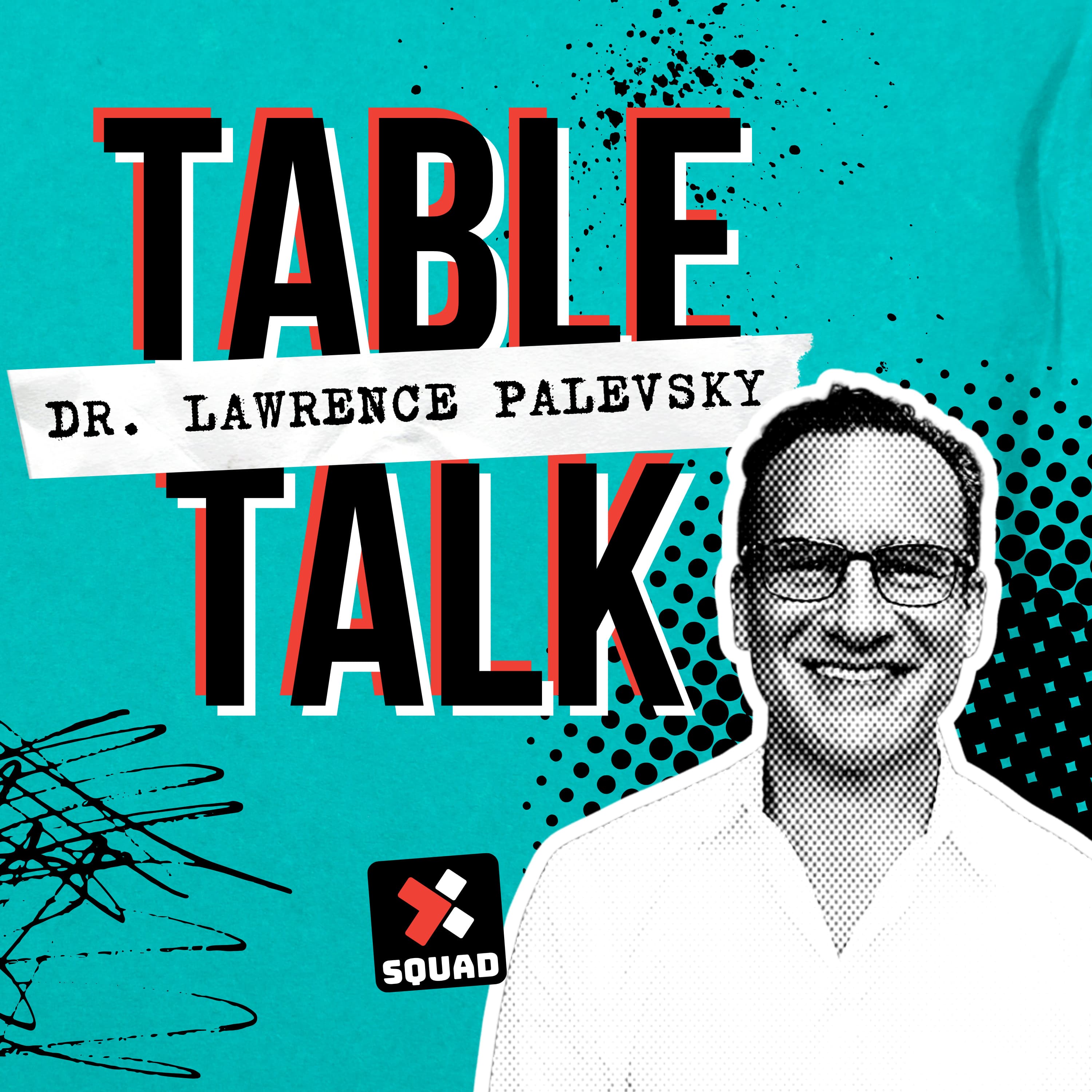
Episode 41 of The Squadcast welcomes Dr. Lawrence Palevsky, the first medical doctor to appear on the show, who discusses innate healing from a Western medical perspective with Dr. Steve Tullius and Pacha Hornaday. The conversation covers the difference between fixing a patient and addressing maintaining cause, the role of presence and trust in healing, and what an unsubluxated chiropractic profession could look like. It gives chiropractors a window into how vitalistic principles can resonate even within conventional medicine.
Dr. Lawrence Palevsky brings a medical doctor’s perspective to vitalism, sharing how an early encounter with chiropractic introduced him to the innate potential to heal, a principle he says was absent from his conventional medical training but eventually transformed how he practiced pediatrics. He discusses why healing requires time, trust, presence, and a willingness to work with the body rather than reflexively intervening, while questioning why chiropractors sometimes move away from their own foundational principles in pursuit of functional medicine, supplements, herbs, and other approaches. The conversation examines the practitioner-patient relationship, the limits of promising specific outcomes, and the difference between creating an opportunity for healing and believing the practitioner is responsible for producing it. For Lawrence, a more vitalistic profession starts with the practitioner’s own inner work, then grows through communities that preserve curiosity, connection, hands-on care, and respect for the mystery of healing.
Key takeaways
- 1
Innate healing crosses medical lines
Dr. Palevsky applies vitalistic, innate healing principles within a conventional Western medical framework, revealing common ground with chiropractic philosophy.
- 2
Fixing versus maintaining cause
The hosts and guest contrast a quick fix model of care with one that addresses and maintains the underlying cause of health.
- 3
The healer archetype requires presence
Real healing depends on trust, connection, and the practitioner's presence, not just technique or protocol.
In this episode
Jump straight to any moment.
If you liked this episode, be sure to check out
Episode 7
Dr. Monique Andrews – The Science of Chiropractic
Episode 39
The Self-Expression Subluxation with Dr. Melissa Longo
Episode 38
The Heart of Chiropractic with Dr. Marc Surprenant
Episode 33
Why Telling the Story is Hurting your Practice and the Profession with Dr. Martin Harvey
Episode 28
Drifting Identity and Leadership Voids