Episode 9 | Jan 21, 2026
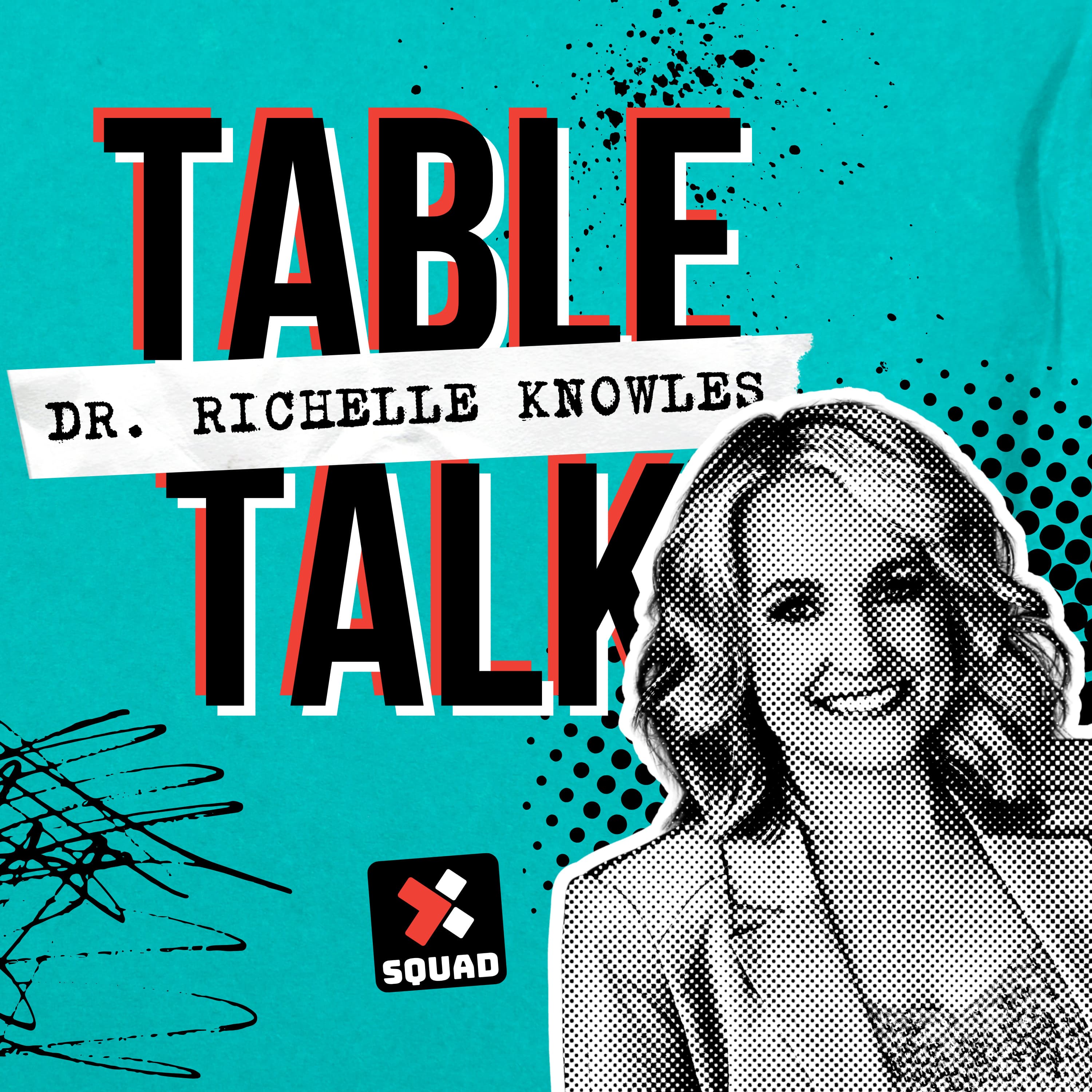
Keeping Chiropractic Real (Without Losing Yourself) with Dr. Richelle Knowles
Synopsis
Dr. Richelle Knowles joins hosts Pacha and Steve to talk about what it really takes to build a subluxation-focused practice without losing your own identity along the way. The conversation covers defining chiropractic and subluxation for the public, the business and communication skills doctors need but rarely learn, and how to stay authentic while growing a following. It matters to chiropractors trying to balance clinical excellence, business demands, and personal wellbeing in a profession still working out its unified message.
Steve and Pacha sit down with Dr. Richelle Knowles, Sherman Board of Trustee member and grad, family chiropractor, and co-creator of Mile High, to talk about what it really means to be authentic in a profession full of mixed messages. Richelle digs into how incoherent messaging confuses the public, why every office needs a clear, subluxation-and-nervous-system story, and how to use coaching, scripts, and systems without losing yourself. She also gets real about the everyday struggles, staffing, new patients, and missing business skills, and why mentorship and community are non-negotiable if you want a sustainable, congruent practice.
Key takeaways
- 1
Chiropractic Needs a Unified Definition
The group argues that confusion over what chiropractic and subluxation actually mean is holding the profession back, and a shared message is needed to move forward.
- 2
Business Skills Are Not Optional
Steve makes the case that clinical talent alone is not enough, doctors also need communication and business skill sets to run practices well and treat staff fairly.
- 3
Authenticity Beats the Influencer Trap
Dr. Knowles and the hosts discuss how chasing Instagram influence rarely pays off, and that finding your own authentic voice as a doctor and person matters more.
In this episode
Jump straight to any moment.
If you liked this episode, be sure to check out
Full transcript
Made by speech recognition, with names corrected. It may contain errors, so check quotes against the audio. Spot a mistake? Tell us.
0:00Meet hosts Pacha and Steve of Boulder practice
Show intro 0:04
Every doc wants to make a bigger impact. What's getting in your way? You're tuned into the subluxation Squad podcast. One squad, One mission. Chiropractic for all.
Dr. Steve Tullius 0:15
Hey, everybody. Welcome to another podcast here. Pacho, it's good to see you.
Host 0:21
Yeah, we're back.
Dr. Steve Tullius 0:22
We're back. And we have. We have a really cool guest today, a good friend of mine and an amazing chiropractor, Dr. Richelle Knowles. Thanks for being on the podcast today.
Guest 0:32
Thank you so much for having me. Pacha and Steve, it's an honor to be here.
Read the full transcript (5,226 more words, 11 more chapters)Hide the rest of the transcript
Dr. Steve Tullius 0:37
We thought we'd have you. You know, we've often debated this, like, do we introduce guests? And we read off all the things you've done, which you've done a ton. But instead, you know, we feel like it'd be best just for you to tell the audience, like, who you are and what do you represent in chiropractic.
Guest 0:52
Right. So who I am, Big question. Yeah, that's a good question. My husband and I met at Sherman College in the late 90s, and we moved out to Boulder, Colorado in 1999, and we've been in private practice ever since. And since then, we've been super involved in all things chiropractic, from teaching technique to start starting a the Mile high chiropractic weekend to being on different boards across the profession, and also starting our own lifetime wellness practice program. It's called for mentoring docs. And so we've done a lot, and we have fun doing it. And chiropractic is just like, beyond. Beyond a passion of ours.
And now we're super proud to say that our son Daniel is a student at Sherman College and is. Is kind of following in our footsteps. But I see it more as he's paving his own path because he's not in anyone's footsteps. So in any.
Dr. Steve Tullius 2:07
You mentioned all these things, like, and I was looking at. I actually asked Chat GPT about you, and you literally are in, like, every facet of chiropractic. You know, how. How do you guys have the energy and. And the desire to. To do that?
Guest 2:25
Yeah. So people ask us that all the time, like, how are you doing it? Right. And I think it's when you're driven by something so far beyond yourself that the energy just comes. Comes. Right, so. And also, honestly, getting really good chiropractic care. I mean, to be honest, when you have an adaptable nervous system, we all know this, like, you can do so much more. Right. And it. That it doesn't come from us. I mean, my Faith is really important to me as well. So it comes from my faith in God and also my love for chiropractic. And it just goes far beyond me.
And so when you're driven by those things you and it's bigger than you, then the energy just comes. You find the energy doesn't mean that you don't get tired. I get tired and worn out this time of year. I'm like, okay, I'm done, right, For a while. But it's just the passion and love for what we do and the knowing that this, I call it this brand of chiropractic, the subluxation focused or centered or principal chiropractic. I mean it's been called so many different things over the years that it lives on and it lives on through us and those of us that care so deeply about it. So what do you think?
Host 3:42
How can we share this? Because I would say between the three of us, we share this passion. We, you know, like we have this fire. This is why we do what we're doing. Like, what do you think? What does it take to share this with people, to light it in other people?
Guest 3:58
I think like really just telling them the truth about what it is and to get them around like minded chiropractors. Because then they start, you know, I was, you know, lucky enough to find, or fortunate enough, I should say to when I was a teenager to find a chiropractor who was an on fire chiropractor who actually sent my brother, my twin brother is also a chiropractor in Florida to send us to, down to Sherman College to check it out. So that's all I ever knew chiropractic to be was what we know chiropractic to be. And I know that there's stories of so many people that that's not the case.
So I think like just getting the information and the science and the research and have people come into offices that see lots of kids and are. And, and it's like life, it adds life to people when they walk into your office. Right? Like it's just people know that it's a different place than they've ever been before. So that chiropractors can realize like what that type of practice truly is. We have a young associate and I talked to her, I was talking to her this morning because she was saying how much she's loving being in practice. And I was talking to her this morning about isn't it amazing? Like we could be doing anything in life.
We could be digging ditches, we could Be filling cavities. We could be working at a computer all day, but we get to help people be more alive, and that's what we do with our life. Like, what better gift is there to do than be a chiropractor?
Dr. Steve Tullius 5:33
So awesome. It is a massive gift for all of us, for sure. So this podcast is all about uncovering and correcting the biggest subluxations in the profession and in practices. So because of your unique vantage point, we'd love to hear what you think are the biggest subluxations in chiropractic today.
5:40Podcast's mission: fixing subluxations in the profession
Guest 5:58
Yes, that's a great question, Steve. I think it's the mixed message that's sent by so many people that when people walk into a chiropractic office, it's very. A very different message. So I'm like, all in for people to, you know, get to get on board to have a similar message. People will have different techniques, they'll have, you know, different ways that they communicate. But if we really focus on chiropractic being about, you know, removing subluxations and having the nervous system be healthier, then that makes all the difference in the world.
And so I think creating a coherent message across people that are facing in the same direction, and then that way you don't confuse the public. That's number one. And number two is for chiropractors, you know, for. People say that it's, you know, the tuition and this, that and the other thing, that there's debt and whatnot. There's a lot of professions that have the similar amount of debt for grad school, but making sure that chiropractors are successful so that they can get out of the debt that they have for school, and then they'll be able to make a bigger impact.
Host 7:21
Where do you think that problem comes from? The. Like, what's at the root of this communication problem? It seems like other professions don't have that. Like, you know, like, the definitions of what they do and, you know, being aligned with what they're putting out there into the public. Like, where does that come from?
Guest 7:39
Right. You know, I. I do think that other professions probably did have that. Like, I. I have a friend who's a dentist, and I talked to him about it, and he said, well, we have some infighting in our profession, too, of people that think different things. I think it's healthy to have a debate on different topics. I think that when we all turn in and shoot inward that. That there's a problem with that. And I think that, like, just. It just. It's a splintered profession. Right. It's a splintered profession, and we all know that.
But I think that those people, like I said, that are in the same vein or the same brand of chiropractic, that we really all need to come together and just have, like, a unified message. So.
Dr. Steve Tullius 8:24
Which, you know, you mentioned branding. You know, Pacha's a branding strategist. And, and which is why we're doing this together because. Right. We want to help create that unified message that the majority of subluxation focused chiropractors can get behind so we can put out a cohesive message to the public. So, Pacha, I'm curious, based upon what Dr. Richelle was sharing, what are you thinking right now in terms of what we need to do next?
8:47Defining chiropractic and subluxation clearly
Host 8:58
Well, you know, I'm. We've talked about this before. Like, I'm also in the, like, it's a communication of vexation for me.
Guest 9:06
Yeah.
Host 9:06
You know, like, like you said, we need to define and we. Who we is. That's, you know, another question. Everybody defines it themselves somehow. What is chiropractic? What is the subluxation? Like, all those different things. But somebody has to step forward and say, okay, let's create something where we. Something that we can agree on and see if anybody else agrees on that and then just get it out to the public. I mean, the people we don't agree with doing. Right. They're getting stuff out to the public. So we just need to step up and say, okay, this is how we define chiropractic. This is how we define suppluxation.
This is why people should believe in chiropractic. And here's how we're gonna. Here's how we're going to do it. This is why we're doing this subluxation squad. We're trying to bring in other people who believe similar things. It's called subluxation squad for a reason. Right. So if you don't believe in that, then you're probably not going to end up on this podcast. Although we won't exclude anybody. I mean, I love conversations. You know, I'm not a. I'm not a doctor, I'm not a chiropractor. So I have an outside view a little bit still, you know, which is
Guest 10:16
so valuable to have an outside view. Right.
Host 10:19
I have the patient view. Yeah.
Guest 10:22
Right.
Host 10:23
So, yeah, I, you know, this is why we're doing what we're doing, trying to bring it together and creating the chiropractic, Excuse me, manifesto, where we're trying to define things, but it's A, you know, it's, it's a growth process, just needs to start somewhere. And I think this is where we start.
Guest 10:41
And, and I really, I truly believe too that the profession's fairly young when you look at it, so.
Dr. Steve Tullius 10:49
Absolutely. You know, you, you know, Rachelle, you always bring this, this peace and calm and maturity to conversations when, you know, you mentioned that we're very young and, and we've had all this fighting and, and, but you always bring so much peace and grace and empathy. You really are phenomenal leader. Right. And I've learned so much in watching you where, how does that become more of the norm?
Guest 11:22
You know, I used to think that you had to fight against what you didn't like in so many things in life, including chiropractic. And I, I agree with that to extent. You know, there needs to be people that are warriors. Right. That are on the front lines right now. I'm, it's kind of now I see it as, that we need to talk more about what it is that we really do and what's right. Right. So you get more of what you focus on. You know, it's just a universal law. So talking about what it is that we, that we do and how it truly benefits and helps people and having the science there, the research there and working together.
To me, you know, I mean, I've been through the storms, right? So I've been there, I've been practicing for almost 27 years and I've seen a lot of stuff, but I've gotten to this place of, you know, you get what you focus on. And so how do we focus more on how do we create incredible chiropractors? How do we help them be successful and get the message out to the public about what chiropractic truly is? And that's just, that's my focus. Right. And so I think the more that we do that, the more we get more of what we want.
Host 12:52
So that's the question then, how do we do that?
Guest 12:54
I think, yeah, I mean, I know Steve's talked about it over the years, right. Is having like a plan to, to actually have clarity, to put it out to them, to put it out to the masses.
Dr. Steve Tullius 13:09
So, yeah, we, you know, Pacha and I have been working on some stuff and there's, there's a. And also the Chiropractic Freedom Coalition has been working on some things. There's a, there's a new non profit public awareness org that's being developed right now to actually get this type of message out. So these These things are happening, which is really exciting. And so I think it's just a matter of time. I do think it's right for this. I.
Guest 13:34
Right.
Dr. Steve Tullius 13:35
You know, you have a unique perspective of. Of working with the doctors. You're talking about helping the doctors be successful. So we've talked about what some of the biggest subluxations in the profession are in general. What about in, like, in with the individual chiropractor? What, What's.
13:41Why doctors struggle to communicate their value
Guest 13:50
How come.
Dr. Steve Tullius 13:51
What's stopping them? And what can someone listening to this, you know, focus on to help break through?
Guest 13:58
Well, I feel like, you know, when I started practicing, there weren't a ton of coaches or practice management people. And now everybody's a coach, right? Everybody's an expert. It's the Instagram age of you could be doing something for a day and you're giving people advice. Right. I think it's really important for people to have good mentors. And I think it's really important for people to learn business skill sets, communication skill sets, and not to plug you, Steve, but to plug you. The reason why I send so many people, I've been sending tons of people to work with you because people need to get ways to get their message across to people.
And what you do with Weightless Workshop is just absolutely brilliant. And I just. The problem is chiropractors knowing how to communicate what they do and also to get there. Everyone will always say, what's the major problem in chiropractic offices? It's staffing and it's new patients. Right? It's training a team and new patients. And the biggest piece of that is that we were not given a degree in marketing or business or HR or anything like that. And so people really have to learn how to do those things. And I know it sounds really simple. I. Both Danny and myself, we didn't used to be good bosses.
Right Now I feel like we've worked really hard to be really good bosses. And I'm super proud of that because I feel like we treat our people with love and kindness and respect and pay them well, but we had to learn how to do that. And when you're first getting out of school, there's a lot of trial and error and people do have a lot of debt and they're going to have that with no matter what. You know, I have dentist friends. I have an eye doctor friend that I talk to all the time, and she struggles with some of the same things that we struggle with in chiropractic. Like, she's always.
She struggles with staff and she struggles with keeping, you know, docs working in her practice that don't want to work and all those things that you hear about. So it's not just a chiropractic problem, but we have to get chiropractors confident, convicted, have a good business mind and be able to hire and train a staff and to do well and also find and have easy way, not easy, or ways to get new patients in the door. And, And I still believe in, you know, getting out, meeting people and talking to people and asking for referrals and all those things.
But people have to be willing to do the hard work, because it's not just you run an instant, you know, you go on Instagram and do a post and then you have 20 people knocking down your door. It's still being in your community, knowing people, serving the community, being known and having integrity. And that's what's, that's what you gotta do. And you. And it's, and it's not easy, right? It's. It's hard work. And people have to know that when they get out, they're gonna have to work hard.
Dr. Steve Tullius 17:05
So where's the, where's the mic drop?
Host 17:09
Oh, shoot. Yeah, we totally have.
Dr. Steve Tullius 17:11
We have something like that. No, man.
Host 17:14
Always miss those things.
17:16The myth of the overnight Instagram influencer
Guest 17:16
Not to monopolize this conversation, but I was doing some research, and I think you guys will find this interesting about how many people actually become Instagram influencers, because I think this particular. This generation really wants that. It was like less than 1% of 1 million people will actually be able to monetize being an Instagram influencer. So this generation is really sold this bill of goods that they're just going to be. And it's not just. I'm not saying even in chiropractic, like they're sold this bill of goods that they're going to be Instagram influencers and they're not going to have to work.
The people that actually are influencers work their butts off. Right. So it's this life work balance that I like to call life work integration. And I know I'm all over the place, but it's kind of on the same vein. The same theme is that it doesn't come easy. It can be effortless. When you get the right things going, it can feel more effortless, but it doesn't come easy. And you have to work. You know, it's just plain and simple. You have to work hard.
Dr. Steve Tullius 18:20
Yeah, I mean, you're. That's, that's the p. I mean, you started off, you Know, talking about how you're able to do so much. Right. And it.
Guest 18:28
Yeah.
Dr. Steve Tullius 18:28
As you're working for something and with something bigger than yourself. Right. So. So there's one. You couldn't stop now. Like, you wouldn't be a moral or ethical person, right. If you stopped. If you just said, okay, I'm going to give up chiropractic today. I'm not going to tell anyone else about it. Right. So part of it's just this extreme love and clarity around what chiropractic is. That's the first step, it sounds like. And then from there, you got to do the work you do. Got to do it.
Guest 18:59
You got to do it.
Dr. Steve Tullius 19:02
That's awesome. Pacha, what. What questions do you have for Rochelle around, Like, what. What people can do, like, with this information today? Like, what's.
19:03Finding authenticity as a chiropractor
Host 19:13
Yeah, one. One question actually, I have. Because you brought up authenticity. You brought up integrity. How do you, as a doctor, how do you keep true to yourself and listen to, you know, the gurus out there, your coaches, like, how do you. How do you actually manage figuring out, you know, what your true authentic self is as a doctor and also trying to implement all those different things you hear out there, like, what would you recommend to somebody? You know, trying to. Trying to figure that out, like, how to be, you know, authentic in this profession.
Guest 19:50
Right. So I think that you have to know that it's not. Not always. Like, if you do work with somebody, it's not cookie cutter, right. It's not. This is the way I do it. So you have to do it this way, right. Like, you hear all the scripts and all this kind of stuff. I think that you need to get things as an outline, right. Of like, oh, this is a good model of or style of how I want to practice. And then you need to make it yours and make it authentic to you. You know, we have a high volume practice that. That's not for everybody. You know, we have. It's kids and families and it's just super fun and chaotic and amazing and.
But that's not for everybody. Some people want to have, like a boutique practice and they want to have a smaller office and see people for longer or do whatever it is. But I think you need to find something that resonates with you, that's really authentically you and have this, like, litmus test where, you know, like that. Does that fit into the model or the role of. Of who I'm being as a chiropractor and more than just being a chiropractor, like, be A human being. You know, like, I always. We always say souls on board. Like, see people as a soul, right?
Like, don't just see them as a number or a patient or whatever, but, like, see them as a soul, right? And connect with people on that level so that you genuinely care about every person that walks in your door. And. And people think that the amount of time you spent with somebody is. Can be more important, but I think it's the presence that you have. And if you're really, truly listening to the person and you're being authentic and genuinely caring about the person, that trumps time anytime, right? So for me, it's, you know, just seeing what fits in to the how, who being who I really am.
And that takes years to develop, you know, And I think now there's so many tools out there, like things like this podcast, that people can hear those messages and they can say, oh, yeah, I was trying to do something exactly the way this one person told me to do it, or what I heard. And people can smell when things aren't, you know, in. In. In not being authentic. Right. And so being yourself and just really loving and serving the patient and doing what, you know to be best for them, to me is, you know, how. How I do it.
Host 22:20
So I love that. What would you say for somebody that's listening right now, a doctor that really wants to. What would you tell them, like, one practical advice they could take away from this and start doing tomorrow in their practice?
22:22Balancing clinical skill with business savvy
Guest 22:35
Yeah. I would say that you. You have to learn about the business side of things. Right. And you have to get really good at being a clinician. Right. Like being a chiropractor, delivering the goods. You have to have both. Right. If you are really good at adjusting people, but you don't know how to connect with people and deliver the message of chiropractic, then you'll be a really good clinician with no patients. Right. Or you could be somebody that is really good at getting new patients, but they can't deliver the goods, as I like to say, and then they won't sustain people to know what it's like to have chiropractic care for their lifetime.
Right. And so I think learning those things, I'm a big outcome assessment junkie. So you know that you're actually doing outcome assessment, having subjective and objective findings so that, you know, if what you're doing is working, if things are changing and if people are improving and not just how they feel, but how they function and having outcomes to show that their function's improving. In terms of the health of their nervous system. And so it's to me, it's a yes and not an either or. You know, you have to be good at being an entrepreneur and then you have to learn the skills of the.
Regardless of what technique that you use, that you become an amazing clinician and an amazing chiropractor. And then when that all comes together, you can be unstoppable.
Host 24:13
So the action step would be.
Guest 24:16
Yeah, the action. Yay. The action step would be, is, you know, study. Listen to podcasts like this. Get into the right circles. You know, go visit chiropractors offices if you're new in practice or you're just graduating and reach out and get help from mentors. You know, it doesn't have to be me. It could be anybody. Right. People who are in alignment with you, reach out to them and don't be afraid to ask for help. I had a young chiropractor the other day, just she's been in practice for like a year and a half and she messaged me and she just said, hey, can I just talk to you for like 15 minutes to see, like, to get a little bit of help?
And I was like, absolutely. And we got on the phone and we ended up talking for like over an hour. But, you know, reach out to people. Don't get, you know, stuck in your office and get in this downward spiral. Like, there's so many wonderful people in this profession that, yes, they might be a coach or whatever, but that people will jump on the horn with you and support you. There are so many people that will help. But get the help that you need and get yourself in these like minded circles so that you're not just drowning in your office.
Dr. Steve Tullius 25:29
Yeah. One of the most obvious circles to get into is getting Mile High every year.
Guest 25:34
Yeah.
Dr. Steve Tullius 25:37
This last year was phenomenal. Once again, the energy, the circle. And I can't believe that people don't show up to chiropractic seminars. Right. And hang out with others like we're. You have to get dipped back in constantly and be around others. So get to mile high, guys. Milehighchiro.com and, and register for 2026. What are the dates on that, Rochelle?
Guest 26:03
I believe it's August and It's like the 21st and the 22nd. I think that's the date. We had to change the date. We were doing it in September for a while, but we changed the date back to August. I think it's the 22nd, but we're really excited. It's going to Be awesome. This year we already have a lot of incredible speakers coming and lined up and we're getting our CE speakers dialed in and it's going to be a lot of science and a lot of technique. It's going to be really good.
Dr. Steve Tullius 26:32
Awesome. Awesome. So now we're almost done here. We're at our rapid fire round of questions.
26:33A question students should ask more often
Guest 26:38
So get ready.
Dr. Steve Tullius 26:39
Get ready for this.
Guest 26:41
Let's go.
Dr. Steve Tullius 26:43
What's one question you wish chiropractic students would ask more often?
Guest 26:50
What's real practice going to be like, not just getting through the boards or just talking tick, but what's it really going to be like in practice and getting the help that they need? Yeah.
Host 27:02
What's one thing nobody knows about you?
Guest 27:06
I'm an open book. I over share. Everybody knows. I love Christmas Pacha, I love your sweater and I love my dog. Honestly, my husband over posts on social media, so I feel like everybody knows a lot about me.
Dr. Steve Tullius 27:25
All right, what's. What's one. What's a conversation in the profession that is not happening but should be how
Guest 27:33
we can come together, those of us that are. And I think it's starting to happen. I'm seeing some good signs of that with the IFCO and everything that's been happening. But how do we just come together and make chiropractic? What it's meant. Meant to be
Host 27:48
chiropractic as an animal. What is it and why?
Guest 27:54
You know, it's a unicorn. It really is. And it's interesting because when I was at Sherman College, now the mascot's a lion. Sherman College's mascot used to be a unicorn, which I think is awesome because it's like nothing else. Like, it is like nothing else in the world. It gets confused to be like other things. But when you really see what chiropractic is, it's. It's a total unicorn.
Host 28:19
But unlike you. Look, unicorns. It's real.
Guest 28:21
It is real. It is real. I love that.
28:26Favorite book: Keeping the Love You Find
Dr. Steve Tullius 28:26
What's a book or idea that rewired your brain the most?
Guest 28:33
You know, this is not necessarily a chiropractic book, but it's a really good book. And it's not even about. It is about relationships, but. But it's not. Harville Hendricks wrote a book called keeping the love you find. And it was. I read it in chiropractic school. It transforms my world because it's about your relationship with yourself. And I always recommend that book to people. Keeping the love you find. It was finding the love you want or something like that. But it's not it sounds like it's a relationship book. It's a relationship with you book and a really big self growth book, so. So I always recommend people read that.
Host 29:08
Cool. All right. We're always looking for new people that should be part of the subluxation squad. Which three people do you think we should interview next?
29:10Nominating future guests for the podcast
Guest 29:20
Somebody that comes to mind is Amy Haas. Has she been on?
Dr. Steve Tullius 29:24
Not yet, but she's on the list.
Guest 29:26
Yes. Amy Haas would be great. I think some chiropractic student would. Students would be great. There's some really great ones out there right now. And ooh, who's somebody? Have you interviewed Matt McCoy?
Dr. Steve Tullius 29:44
Not yet, but he's also on the list for sure.
Guest 29:46
There you go. A great student. Matt McCoy and Amy Haas.
Dr. Steve Tullius 29:50
I like, I like that you shared a student. You know, it's something and I haven't talked about yet. And so that's why we love that question. It gives us great ideas. Okay, show us something in your workspace that has meaning to you and why.
Guest 30:04
Well, interestingly enough, my daughter is moved to Pittsburgh and so I've made her. You know, you hear about the empty nesters. I've made my daughter's room. As everybody knows, my kids are my world. And so just being in her bedroom, I kind of feel close to her and it's become my office. So that's meaningful to me. My kids are meaningful to me.
Dr. Steve Tullius 30:30
That's awesome.
Host 30:31
Love it.
Guest 30:31
Yeah.
Host 30:32
Yeah. All right, we got one more last question. What does an unsubluxated profession look like to you?
30:34What an unsubluxated profession would look like
Guest 30:42
Whoa. That is so good. That's the best one yet. An unsubluxated profession is people being free to practice the way that they want with life changing, subluxation, centered adaptability, life giving, healthy, regulated nervous system, all those things that being able to be free to do that and just, you know, to help people be the best versions of themselves and function at their optimum potential. And that's what I see it as. And more people on board for that message.
Dr. Steve Tullius 31:20
Awesome. Love it. All right, Dr. Shell, tell us, where can people plug into you, learn more about your work working with you, Whether it's with mentoring or other ways. How can people connect with you?
31:21Where to connect with Dr. Knowles
Guest 31:32
Sure. So on Instagram, it's just Richelle Knowles and Also Lifetime Wellness Practice.com which is our mentoring group that we have, and Mile High Chiro. And if anybody is in Boulder or ever, chiropractors want to come visit or, you know, get care or chiropractic students want to come to observe BoulderChiroPractor.com is our office. So awesome.
Dr. Steve Tullius 32:00
Awesome. Thank you so. Thank you so, so much, Dr. Richelle, for being with us today. But even more importantly, all the amazing things that you and Dr. Danny are doing for this profession and how you guys give so selflessly, you know, of yourselves. So thank you so much.
Guest 32:17
Thank you so much, Steve and Pacho was an honor.
Dr. Steve Tullius 32:21
Awesome. All right, guys, take care. Bye.
Host 32:23
See you next time.
Guest 32:23
Bye. See you.
Host 32:24
Bye.
Subscribe and review
If this hit, help another chiropractor find the show.
If you love this episode, please take a moment to subscribe and leave a review on Apple Podcasts or Spotify. Your support helps us reach more chiropractors who need these insights. Thanks for tuning into the Squadcast. See you next week.