Episode 32 | Jul 20, 2026
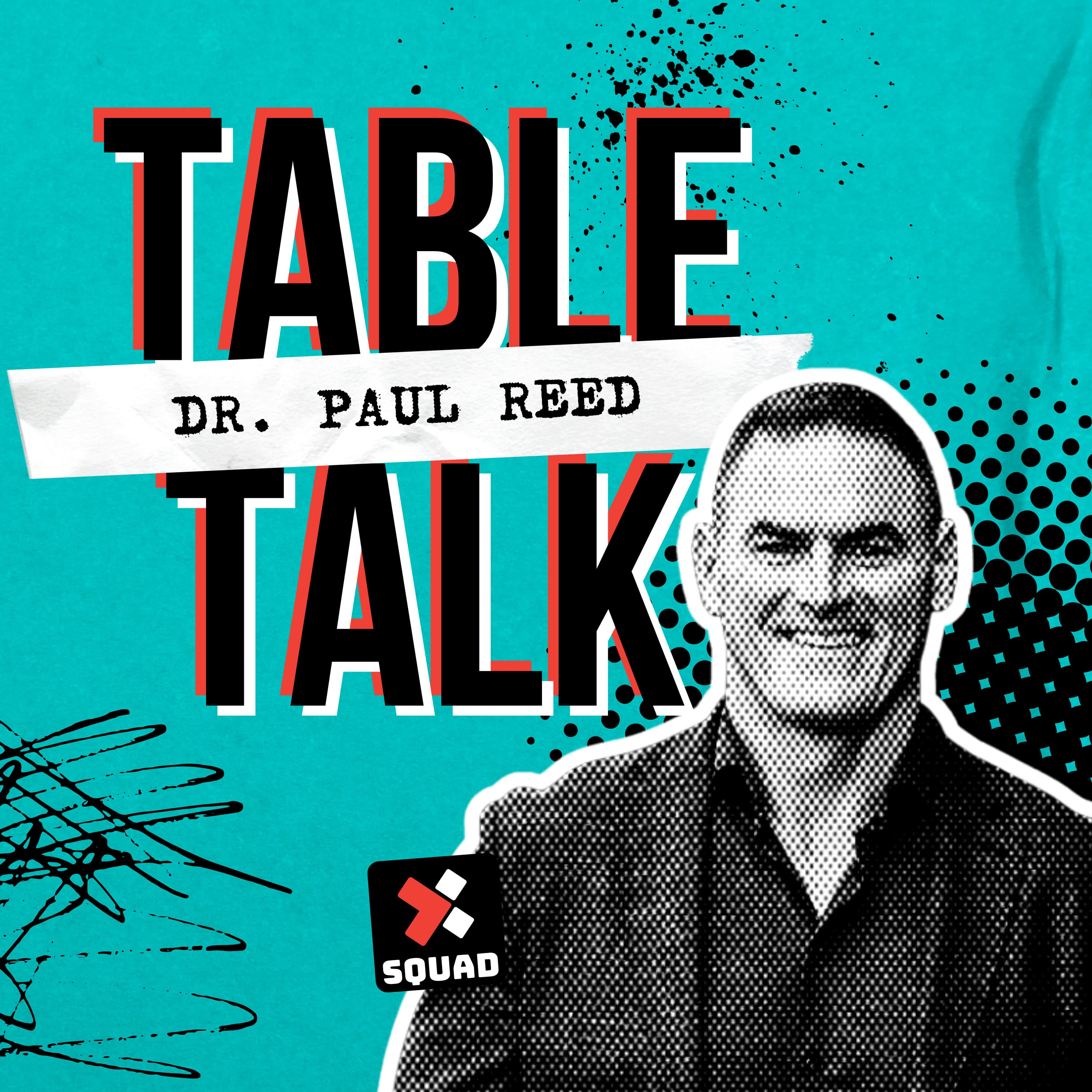
Why Connection & Community are Vital in Chiropractic with Dr. Paul Reed
Synopsis
Dr. Paul Reed, a chiropractor of 29 years and founder of Chirofest, joins Dr. Steve Tullius and Pacha Hornaday to talk about connection, community, and the subluxations holding chiropractors back from their full potential. The conversation covers burnout, practice fatigue, the danger of dropping the word subluxation from clinical language, and why vulnerability and support among doctors matter as much as care for patients.
Dr. Paul Reed shares why meaningful connection is one of the profession's greatest opportunities and why genuine community is essential if chiropractic is to reach more people. Drawing from nearly three decades in practice, he reflects on how relationships, mentorship, and a shared commitment to principle have shaped both his personal journey and his vision for the future of chiropractic. The discussion digs into professional unity, authentic communication, and the importance of creating spaces where chiropractors can grow together rather than apart. What becomes evident is that chiropractic advances when connection replaces competition and community becomes the foundation for lasting influence.
Key takeaways
- 1
Chirofest Was Built to Fight Burnout
Dr. Reed created Chirofest and a philosophy group because he felt called to support chiropractors who lose their purpose and hit practice fatigue.
- 2
Dropping 'Subluxation' Costs the Profession Its Core
The hosts and guest discuss how removing the word subluxation from chiropractic language and process pulls doctors away from their founding principles.
- 3
Doctors Need the Same Support They Give Patients
The conversation highlights an unspoken hurt among chiropractors who pretend they are well, and argues vulnerability and authenticity are the profession's greatest currencies.
In this episode
Jump straight to any moment.
If you liked this episode, be sure to check out
Episode 23
The Three Tiers of Subluxation with James Chester
Episode 18
Restoring Reason in Chiropractic with Dr. Travis Corcoran
Episode 16
The Greatest Subluxation with Dr. David Serio
Episode 13
The Top Communication Strategies, Branding, & Systems in Chiropractic Today
Episode 44
From Smile to Spine: The Missing Link in Whole Body Wellness with Dr. Gary Glassman
Full transcript
Made by speech recognition, with names corrected. It may contain errors, so check quotes against the audio. Spot a mistake? Tell us.
0:00Introducing Dr. Paul Reed, 29 Years in Practice
Pacha Hornaday 0:00
Foreign.
Show intro 0:05
Wants to make a bigger impact. What's getting in your way? You're tuned into the Subluxation Squad podcast. One squad, one mission. Chiropractic for all.
Dr. Steve Tullius 0:16
Hey everybody. Welcome to another episode of the subluxation squad. I'm Dr. Steve Tullius with my co host, Pacha Hornaday. Pacha, how you doing?
Pacha Hornaday 0:25
I am doing just great, Steve. I'm excited to be back. We have another great guest today.
Dr. Steve Tullius 0:31
Yeah, absolutely. This is episode 32 we just talked about. Unfortunately it wasn't episode 33 for Dr. Paul here, but nonetheless, this is. I've really been looking forward to this interview. We haven't connected in a while, so it's good to, to see you again, Dr. Paul Reed. Many of you will know from Chirofest and, and lots of other things that he's done in the profession, but I would rather you really share, you know, who you are, your story and why you're still so fired up about chiropractic Doc.
Read the full transcript (7,210 more words, 11 more chapters)Hide the rest of the transcript
Dr. Paul Reed 1:02
Oh, man. Well, thank you first and foremost, both you guys having me on, stoked, excited. Yes. A little bummed I don't get to be the 33rd episode. But that's all right. Somebody else will get to get to do that.
Dr. Steve Tullius 1:10
So.
Dr. Paul Reed 1:11
Yeah, so, man, been practicing physically with a license almost 29 years. But I, but I honestly my first chiropractic experience, experience when I was 13 and that's why I'm here and that's why I, I still to this day stay fired up and juiced about chiropractic and what we can do for humanity and, and people. I, you know, had a. Didn't know it until I was mature in my chiropractic journey that, you know, it reconnected, man, the physical demand, spiritual. And again, I, I knew that. I knew that. I knew at that moment after that adjustment, I would be a chiropractor.
Met my, my white Kurt wife, you know, as a freshman the next year when I was 14 and said, hey, here's what I'm going to do. I don't know what it is, but, but this is what I'm gonna do and, and know that I was called in this profession to, you know, obviously serve practice members, but, but the profession too. I have known that for a long time. Yeah. So, man, so 29 years in. You mentioned Chiropest. This is year 17 of Chir Fest, which is hard to believe. Hard to believe that I'm that stinking old. But. But yeah, no, just stoked and juiced and there's so much that, you know, We've been swimming upstream our entire careers, and.
And I think that's how it's supposed to be, but we still have lots to do. Yeah.
Dr. Steve Tullius 2:23
Yeah. So I'm. I'm curious. I. I'd like to hear about a little bit more about that first adjustment that. That made you decide. Like, what was it like, what did. What. What did you feel? What did you experience that made you decide?
Dr. Paul Reed 2:37
You know, man, I honestly at the time didn't know, but, you know, went in, was a wrestler, hurt myself. My dad. My dad had been seeing this practitioner, took me in, did some films, checked me for subluxations and. And adjusted me. And, you know, it wasn't until I was, you know, again, more mature and had a better understanding of what chiropractic actually does, but it literally, you know, to now my understanding connected. Man physical, man spiritual. And I knew that. I knew that that minute, like, it cleared me and it. I just was different, you know, and. And that quote, unquote, miracle adjustment, right.
That just unsubluxated to me, reconnected me, and I got goosebumps talking about it right now, but it. It. Yeah. Yeah, man. I don't know what. It was innate, right? So Nate showed up. God showed up and said, yo, bro, this is. This is where I want you to be or go and do again. I didn't. I was 13. What do I know, right? You know, so I was just young and dumb, but, man, course corrected me physically, mentally, spiritually. Yeah. Hold the whole beans.
Pacha Hornaday 3:37
So that's interesting. Yeah. My son is 13 right now, and I think. I mean, he's been adjusted since birth, so it's a little bit different for him. But I'm like, wondering, you know, what would in, like, like, what kind of. Yeah. What kind of experience that must be for a 13 year old? Like, it's hard to imagine that, you know, that it's such a huge shift for you that you're like, holy cow, what was that?
Dr. Paul Reed 4:01
Yeah, it was, you know. You know, and I. I think somebody like your son has been adjusted since day one. Like, he might not have that, you know, that experience. Like, my son, he's just opened his practice a month ago, and he's been adjusted since birth. Right. So he. He's not going to have that quote unquote chiropractic miracle, but your son will see others living that chiropractic lifestyle and experiencing all the chiropractic has to offer. And. And so maybe that'll ignite that spark for him to pursue. So. Yeah.
Dr. Steve Tullius 4:24
Yeah, yeah. I was, I was 15 when I had my first adjustment. And it. I. I just remember walking out, you know, with all this weight that had been lifted that I didn't know was there. Right. And, and feeling like I was floating and being, Being reconnected. So. So if you don't know, you. You don't know. That's your normal. And then for children who've been adjusted since birth, well, that is. Their normal is being connected on a constant basis. So, yeah, it's a blessing and it's, you know, I'm grateful for the opportunity to understand what it's like to not be adjusted. Right. And not to have that connection too.
Dr. Paul Reed 5:03
Yeah, yeah. 100. But it's. Yeah, man, it changed it course corrected my life. I wouldn't be here. I would be who I am. I mean, it's. Chiropractic is so much bigger than the adjustment, so.
Dr. Steve Tullius 5:12
Absolutely. So. So you, You've obviously, you've seen the miracles. You've experienced it yourself in your life. You've gone on to, you know, you had a philosophy group, which I got to speak at years ago, and thank you for that opportunity. I was, I was young and, you know, very fresh and. But, but you saw that I was passionate and had a message that, that I needed to share, and that was amazing group. You know what, what? And then you went on to create Chiro Fest as well. What, what was it that. I mean, because you didn't have to do any of that. So, so what was it that caused you to say, okay, I need to do more.
I have this calling to, to address help other chiropractors?
5:12From Philosophy Group to Founding Chirofest
Dr. Paul Reed 5:59
No, it was just that internal tug. If I'm honest, man, I was blessed. A good friend of mine, principal chiropractor too, we mirrored each other in undergrad or, excuse me, high school. Been friends forever. And he just did his short track to go to chiropractic school. So he was out a little bit ahead of me. I played ball and got my undergrad degree, full and undergrad degree. But he, when he first got out, he had a. We had a regular meetups and philosophy stuff, and then it kind of, you know, it faded out. Right. It lost its thing. And it was so much, I found so much that it offered just in that connection, just in that community.
What we do is hard, right? We're, we're. We're like again, swimming upstream. We're being told that we're not doctors. We're being told we don't know, we're talking about. And so that coming together Just gives you just again, iron sharpens. Iron gives you a little bit of confidence, especially as a young practitioner, I think you need that. Getting around people just, like, elevates you who you are. I say that our chiropractic posture, we need to be shoulders back, chest out, strong, whereas a lot will carry a weak, soft posture.
And so getting around people, it just strengthened me and helped my conviction and my certainty and gave me direction. Um, and so I was like, I. I'm like, I need to do this. Like, I. It. It helped me so much. Why would I not want to help other chiropractors? Just to step into that, being around that environment. And so that's. That's how the philosophy group has started. And, you know, and. And same with. With Chiro Fest, like, it was like, let's. Let's do this on a bigger scale. I went to, obviously, Cal Jam, the first one and said, hey, Billy, man, let's. Let's do this. You know, six months apart, so there's no conflict.
Everybody needs to be dipped regularly. He said, man, I'm just getting going myself, Paul. Go, go, go start your own thing. And. And, you know, and here we are 17 years later.
Dr. Steve Tullius 7:45
So.
Dr. Paul Reed 7:45
Yeah, man, it's just really. You know, our tagline at chirofest is honor the past, preserve the future. And it. It really is selfishly so that my kids, as kids. As kids, have the opportunity to know chiropractic the way you and I know chiropractic. So that's. I'm not retiring from it by any all means. Those that think people are doing seminars are crushing it. Like. Yeah, you have no idea. So it's. It's just a passion project.
Dr. Steve Tullius 8:08
Yeah. Yeah. No, that's. That's awesome. I. You know, I went to Cal. Cal Jam, the first one as well, and got fired up and called Billy and said, hey, I want to create a dead chiropractic society up in. You know, I was in California. He's like, no, make. Make your own. And that's how 33 DC started. And, yeah, it's that getting dipped and you touch upon this. This fact that it's not easy to be a chiropractor.
8:25The Ongoing Stigma of Being a Chiropractor
Dr. Paul Reed 8:35
Yeah.
Dr. Steve Tullius 8:35
You know, to hold a completely. You know, to hold a philosophy and a. And a service that is stigmatized and ostracized, all these things.
Pacha Hornaday 8:46
And.
Dr. Steve Tullius 8:46
And it's way better than it was.
Pacha Hornaday 8:48
Was.
Dr. Paul Reed 8:48
Yeah.
Dr. Steve Tullius 8:49
When we first started way back, way better than 97.
Dr. Paul Reed 8:53
It was. Yeah. It's not as easy it was today. Right. It's more. More understood Today.
Dr. Steve Tullius 8:56
Yeah, but even still, it's, it's, it's challenging. So, yeah, what are. You've seen, you've served at high levels, you've coached lots of chiropractors, you've been running the seminar for 17 years. The question we always ask docs with all this experience is where do you see the biggest subluxations for providers? And then after that, let's talk about the profession. So where do you think the biggest subluxations are for providers? That's holding them back from their full potential.
9:22Identifying the Biggest Subluxations Among Providers
Dr. Paul Reed 9:27
One full understanding of who we are and what we do and how we can impact people. And so, Steve, this could go, we could go super deep into how we've gotten sideways, starting with our institutions. The experience that just shared this with Steve, like, we feel like the. Because some DCs have lost their way and a student might go to that DC that has lost his way, and that thing is what has inspired them to want to do that. Right. And so the schools, instead of sticking the stake in the ground and like, no, this is who we are. This is what we do. Right. It's a business. Like, they're out for profit and for gain.
Like, we all know, which is fine, but they've tried to be all things to all people instead of like, here's who we are and here's what we do, and let's hold the line in this regard. And so then it's just like this vicious negative cycle. Like, if, if that's what we're allowing and accommodating and encouraging, then that's just gonna, then we're producing that product, and that product's gonna produce more of that product. You know, and then there's. There, then we're getting further diluted and away from our core principles of who we are and how we operate and how we communicate, more importantly. And so it's, it's.
I think it's this unfortunate negative, vicious cycle that it's in. And, and it's going to be a heavy lift to course correct it. I think it's, it's beginning to happen in some regard, but it's, but it's. I mean, we, we have so much work to do to keep our core who we are. Yeah.
Pacha Hornaday 10:56
How do you think? Well, what's the best way of doing that?
Dr. Paul Reed 10:59
You know, what you guys are doing? You know, we need more, we need more dcs to, to get involved and understand, you know, again, where we came from and, and get back to our core principles. You know, I equate it to. I Mean biblical principles. Right. The further we get away from, from core biblical principles, the more watered down we get, the more we accept, quote unquote, sin and things that aren't aligned with the biblical principles and then that becomes normal place and then, then people accept it and then it gets broad, you know, gets wider and broader. And, and, and so it's, it's. I, it's, it's paralleling that a lot. Yeah.
Dr. Steve Tullius 11:37
So an individual provider, you know, they, if they go to us. Well, as you mentioned, you know, it's, it's been a vicious cycle and it's gotten to us to a place where our core values, our core principles aren't often taught at chiropractic institutions. So then, but even, even when it is taught, then they come out and, and then they're not, it's not modeled. So, so how does someone who one either never got the principles and, and, or got them but is now being inundated with outside in messages. How do they, how do they overcome that?
Dr. Paul Reed 12:15
I mean, I think first they have to want to. Right. So you, there has to be a, there has to be some pain point in their life or struggle, you know, within their business, within the, you know, know that they're practicing that draws them to the, the freedom of, of teaching and preaching subluxation and helping people understand subluxation and, and the, the fun that comes with that. And, and like it's, I was just telling Steve, like we really don't work when we're in our offices. Like it is like playground time all, all day.
Like we're, we're high fiving, we're hugging, we're smiling, you know, we got music blaring like it's, it's a fun environment. And so I think until a doc experiences some sort of pain point or in that pain point like might honestly be just incongruence. Like I'm doing all these things that, to do them, just to do them for financial profit, knowing I'm not winning in the other regard and just having enough, yeah, just enough incongruence in their life. They're like, I'm not going the right direction. I need, I need to find my core principles and core values and get back to that. And so I don't have a solid answer for you, bud.
Like, I think it's, I think it's, I think it's hard. I think again until.
Pacha Hornaday 13:32
Yeah, yeah, I'm curious about that too. That's a really good question. I'm wondering like what I see when I talk to Some of my clients, and most of them are subluxation centered practitioners, but even the ones that have that understanding and that interest in, in talking about this, you know, they don't in their practice. It kind of just gets covered up. And what I see most actually is something like burn, like getting close to burnout because the purpose is missing. Like they're disconnected from that. Like, that's what I, that's how I see it express itself, that, that suffixation, you know.
13:36Burnout and Practice Fatigue Without Purpose
Dr. Paul Reed 14:15
Yeah, yeah, burnout happens. I think one, one or two reasons. First and foremost, because they've lost their wire, their purpose. Right. So they're use has gotten away. You know, they've gotten further away from that core principle. And so then they're doing all of these things and that incongruence off purpose, whatever you want to call it, is, it's. They, they start to experience fatigue. And then two, practice fatigue happens when you don't have systems or processes. Like if you're, if you're having a memory managing do all the things. But that's a, that's a business side. But, but first and foremost, you're absolutely right.
They've lost their way in there. Even though they, they quote, unquote, practice and say they're a principal chiropractor. They're. They've, like, there's no lack of new patients. You and I know this. We like if truly about every spine and nervous system should have an opportunity to get checked. Like, dude, there's millions of people that we cannot provide care for because there's not enough of us. And so there's no lack of new patients. There's lack of you fully committing to the process of, you know, saying, I am going to check until, until my community has been fully cleared, like the job is not done.
And, and so, yeah, to your point, you're. Yeah, they're off mission, off purpose. And then they get burnt out and fatigued and their spark goes away. But back to it coming together. Back to events where, you know, when community helps keep that spark alive so that you can go back and stay stronger. And again back to why chirofest is. Is why I'm doing it. Still doing it.
Dr. Steve Tullius 15:34
Yeah. So what I'm, I'm hearing from both of you is, is pain. Right. Pain is often a big driver, which is unfortunate because as chiropractors, we are always trying to educate, you know, the public that pain is the last, you know, it's the last warning signal. Right. But people. And, and you talked about incongruence, right? It's I think there's, that's why, you know, I look at this thing, we have so much incongruence in chiropractic. We're not living our principles. And listen, I got, I have many areas in my life where I'm incongruent. I'm not pretending like I'm not. But it's that lack of congruency that leads to pain.
And it's whether we acknowledge the pain or numb the pain, try to hide or, you know, try to hide from the pain. The beautiful thing about our profession, I share this with a lot of people outside the profession, is we have a really amazing support system if we choose to embrace it. And that's, that's the saddest thing, I think, when, when I meet chiropractors who they're not going to seminars, like, for me, it's just been my complete part of my lifestyle.
And I'm always at, you know, every couple months I'm at seminars and I'm always hanging out within time with chiropractics because it is hard and it is something that we need that support and that brotherhood and sisterhood. So for those people that might be listening right now who've never been to Cairofest, what could you tell them about, you know, what they're going to experience there?
16:53What Chirofest Feels Like for First Timers
Dr. Paul Reed 17:04
Man, it's, it's, you know, as B.J. said, a little bit of heaven, right? It's just magical. Like just having, again, yes, we have 20amazing speakers from all over with, with super diversity and, but all, you know, it's all philosophically based, but just again, getting in the room with high vibrational people, right? You, you can't not leave more elevated and vibrating at a higher tone when you're around 600 other people that are vibrating in a high tone. And so it's just, it just, just showing up. You could, you could show up and hide in the corner and still be elevated.
Like, you could show up and not talk to anybody just because the vibration is so high and energy is so great. Like, just, it just, it just elevates who you are and hearing others here, relating with others, because to your point, Doc, like, we, it is hard. We all have struggles, you know, and, and billing. Being able to admit that we have struggles and we're not perfect and we need others is, is the first thing that we need to do. And that's, and, and I, you know, you're right. There's so much support in our profession. Like, you, like chiropractors want to help other chiropractors win, so the chiropractic wins.
And so you just have to be know, put a little bit of the ego aside and say, hey, like, can you support me with this thing? And it might not even be in practice. It might be personal stuff.
Dr. Steve Tullius 18:24
Sure.
Dr. Paul Reed 18:24
You know, and, and so just chiropractors are, you know, willing and, and want to help people and, and that's, you know, back to my mentoring. Like chiropractic has been, has blessed my family beyond belief. And I don't need to mentor, I don't need one more thing to do, you know, I, I, but it's, I feel like it's my responsibility. Like I, it, it was so good to us. Why should I not help other chiropractors experience what chiropractic life when they're, when they're locked in and, you know, own their principles and, and can be blessed beyond belief, man.
Pacha Hornaday 18:55
So, yeah, what, what makes a good, what makes a good event? I'm curious. There are more, there are more chiropractic events out there now, I would say probably than when you started, right?
19:03What Makes Chirofest's Culture Stand Out
Dr. Paul Reed 19:09
Yeah.
Pacha Hornaday 19:10
I'm wondering. And I've only been to a handful. I haven't been to that many, partly because I'm in Europe and it's a little bit more difficult to get over there. But I'm like, I'm curious. What would you say, what, both of you, what makes a good, a really good event? I mean, obviously you have, you know, the vibes of the people. There's the speakers, there's the topics. But like, you know, I mean, everybody claims, like, you need to be at our event. What makes, what makes Chirofest different? Maybe that would be a question. And then what makes a really good event in general?
Dr. Paul Reed 19:41
Yeah, I think the, the, the people make the event. You know, I sit on our state association. They, they want us, wanted me or want me to help them move the needle with our sale. I'm like, man, it's the people in the room that make the event. Like, you're so who, who you're, who you're bringing together. Yes, the speakers are obviously important, right? And you need them, but it's really, it's the people in the room that make the event and, and the experience.
Like we, we do our Heidi and I, I feel like we do our best to really create a great experience from time of registration through the communication to the registration, to how we set up the exhibitors. And I hire a dj, so there's music going all the time in between. And so really trying to create an Experience for people to have. Yeah, I think it's people in the room. You, Steve.
Dr. Steve Tullius 20:27
Yeah, no, I agree. And you're just mentioning, like, the music and the energy.
Dr. Paul Reed 20:31
Right.
Dr. Steve Tullius 20:32
Creating that energy, that experience and, you know, the people in the room is super important. But I would say also it's the culture that you create, and you've created a culture of, you know, just with your tagline. Right. Honor the.
Dr. Paul Reed 20:49
What's your past, Preserve the future. Yeah, yeah, yeah.
Dr. Steve Tullius 20:53
You have your own, own core values and mission, purpose. Right. For Chiro Fest. And I imagine, you know, there's a tone of brotherhood, sisterhood, support, you know, all those things. That's the kind of event I want to go to. I don't want to go to an event where it's super clinical and, and stuff and mechanistic. Right?
Dr. Paul Reed 21:17
Yeah, yeah.
Dr. Steve Tullius 21:18
So a vital, you know, a vitalistic event. And that's what, you know, when I share with, again, people, my friends outside of chiropractic, they don't, they don't get that, you know, we, we have, you know, and as, as a male, you know, and this isn't apply to all males, but males often are, Are shown models of, of being a man in which it's, you know, this, you know, strong stoic, never cry, never. Don't show vulnerability, authenticity.
And that was, you know, I, I got to experience the opposite of that in chiropractic, where it was, you know, show those things, those are, those are strengths and, and, and you can express that, and it was a safe place to do so. And so I, I really appreciate that aspect of what chiropractic has brought to me personally.
Dr. Paul Reed 22:07
Yeah, yeah. And, and I'm the same man, like I, I ball from stage nearly every time, you know, so, you know, 6, 3, 230 pounds. Like, I should not be bawling from stage.
Pacha Hornaday 22:17
Right.
Dr. Steve Tullius 22:17
You know, but it's totally, It's. I think it's great. I think it's a great model for, for all those individuals in the audience to, to experience, and we need more of that.
Dr. Paul Reed 22:28
I would say this, this year will be special because my kid will be emotional. He'll be sitting in the audience as a dc, not a kid.
Dr. Steve Tullius 22:36
Yeah, yeah, I can, I can see the emotion coming through already. I'm, I'm, I'm feeling it too. I'm. I'm feeling it, and I didn't know that. So when you shared that earlier, I was, I was feeling really happy for you and. Yeah, what a, What a blessing.
Dr. Paul Reed 22:52
Yeah, good stuff.
Dr. Steve Tullius 22:54
What. Tell me a little bit Maybe about the next, like, what's next for Dr. Paul? Like, what?
22:54Vulnerability and Authenticity as Professional Currency
Dr. Paul Reed 23:01
Yeah, man, I really, I really think they're just. I, I feel, I feel like I'm not fulfilling my full. I don't know if responsibility is the right word, but, but I'm not serving at a high enough level within the profession in regards to supporting doctors. Like, I think I, I need to, you know, we can always do more, but I feel like I need to do more to help more docs grow. And, and I, as well known as the event has become. Anybody that's outside, I feel like two or three states west of the west, they don't know me or no, no. The events or who I am and how I can support them. And so I, I think that's, that's probably.
I, I just need to play a little bit bigger in the space. There's a lot of DCs that, that support people and provide amazing, amazing support and growth to those docs. But I, you know, I, again, like I said, I've been blessed beyond belief, had the multiple clinics, you know, I, I, I, I'm, you know, quote, unquote, don't need to coach because, because chiropractic provided my revenue, my, my financial assets enough to where I could just enjoy life. Right. And, and, and unfortunately, so many coaches coach to make revenue because they didn't make it in the practice. I was the opposite.
I've been blessed to, you know, know my practice has provided my lifestyle, not the coaching. And so I'm here just to serve. And. Yeah. So, man, I need to, I need to play bigger in that, in that space. So, so thank you for having me on.
Dr. Steve Tullius 24:19
Yeah, yeah. You know, the, I appreciate you sharing that because look, there's, this is some common themes. Pach, I think you agree where, you know, I'm hearing you, you know, a couple common things that we've heard from our guests that, you know, people that we need clarity, conviction, communication systems. Right. Number one. But then you brought, you're bringing into the equation accountability and responsibility. Yeah, being, being responsible, you know, being accountable for your community. And, but that's also hard when, if people don't have the rhino skin that we often are told we need to have as chiropractors.
If that's not, if that's not you, well, man, you better have a support system around you.
Dr. Paul Reed 25:07
Squash you if you don't.
Dr. Steve Tullius 25:08
Yeah, absolutely. It crushes anyone.
Dr. Paul Reed 25:12
Right.
Dr. Steve Tullius 25:12
And then now as you grow and you evolve, it's like, how can I serve more? How can I give more so I'm curious if you feel comfortable, because I believe vulnerability, authenticity are some of our greatest currencies. I personally have had a lot of limiting beliefs throughout my life and just recently recognized that I wasn't serving high enough because I was allowing my limiting beliefs to stop me. Like, who am I to teach this thing and share this thing? And so I'm curious, you know, has there been some. Have you been able to overcome those own subluxations in your life?
Dr. Paul Reed 25:52
And for sure, it's a constant battle, brother, like, and that I would, you know, if I'm fully, as your point, transparent authenticity, like, that's part of why I've not been as bold as I should be in the. In the. In the mentoring, coaching space. You know, just. Just my own. My own demons getting between my ears and having me hold back on. On some things where I know I shouldn't be holding back because I've. I've done what, you know, very few have done. But then I, you know, yeah, man. So 100 all day, every day, like, it's a constant.
And that's part of, you know, one of my biggest I have docs begin with is working on themselves and getting a morning routine and, you know, strengthen your body, mind and spirit and soul before you attack the day so that those things aren't as pronounced in your life. Because we all deal with them. Every single one of us deals with them. And that's, you know, I'm only to where I'm at because I constantly have mentors in my space to keep me accountable, to keep me moving, seeing my blind spots. We get in rhythms and patterns and habits, and we don't see what we don't see. And. And coaches have the ability, like, no, man.
Like, why you keep doing that. That's not serving you to move the needle where you want to go. And so, yeah, 100% all the time.
Pacha Hornaday 27:04
You know, I like this conversation. Like, I didn't really think about this with the subluxation squad because we've. We've been mainly focused on helping chiropractors remove supplications in their businesses. Right? That's why we bring in other people. And it's like, okay, like, what do you see when you work with people? And how can we, you know, how can we help more people do that? And then, of course, the profession as a whole, how can we move the profession forward?
But now, like, listening to you talk about this, I kind of like the idea also of helping vendors, coaches, you know, anybody that helps chiropractors Remove subluxation, Reach more people. Reach more chiropractors so they can help more chiropractors, Help more people. That's kind of like the next level. I kind of like that.
Dr. Paul Reed 27:48
Absolutely.
Dr. Steve Tullius 27:49
Yeah. My prayer every night when I, I do prayers with my son is I always end with thank you for helping me to help even more people. I mean, that's, that's why I, I believe personally. Like, that's all of our missions in this world, right? That's where we feel the, the most fulfilled. And to your point, we also, we all play this really funny game called limiting beliefs, right? And we, we pretend like we're the only ones that have them. And it's moments like this when we are just, we share like, yeah, we all have them. Allows other people to, to maybe hopefully listening to this, like, oh yeah, I have it too.
And you know, what is that thing? Is it, is it the soul spirit? Which if, if they believe they have it, it's probably not the soul spirit talking like that.
Pacha Hornaday 28:35
It's.
Dr. Steve Tullius 28:35
It's the mind or, or if you believe in other things, it's something else,
Dr. Paul Reed 28:39
you know, talking to you. So, so yeah, the guy I was just on with, we talked about there's, there's three voices in your head, there's yours, there's gods and the devils, you know, so, so who's, who are you listening to and what are you allowing to control the narrative?
28:40Launching the Unstoppable CEO Podcast
Dr. Steve Tullius 28:52
So, yeah, tell us a little bit more about that. I know you have a new podcast. I've been seeing some things on social media. Tell us more about that and how people can tune in and listen to you.
Dr. Paul Reed 29:01
Yeah, it's the unstoppable CEO. And that's really kind of where I'm moving. The coaching, helping chiropractors and helping, you know, help faith based entrepreneurs really get grounded in who they are. And, and you know, that it's the think, be, do have is kind of the model we're teaching. So we got to think good thoughts and that'll create us to, you know, become a better person and then we'll do better things and have the things that we desire. So it's, yeah, it's unstoppable CEO awesome. You know, back to if we got time.
Like really what came to me is, you know, we're Talking about these DCs and this whole vicious cycle, but back to them, you know, getting squashed when they're speaking principles and then not having that conviction and certainty or support group to stand firm in that, and then they start to incorporate all these modalities we spoke about, because it's the easiest path, it's more accepted.
And so then that I think is, you know, also part of that, you know, them not getting the support they need to stand firm in who they are and then incorporating these other modalities to, you know, to, to be perceived as more accepted, you know, by others is, I think, part of the, part of the problem. So.
Dr. Steve Tullius 30:07
Yeah, absolutely. So, you know, I have weightless workshops. We're helping docs put workshops on around the country. And where I was playing small, I, I was telling people I was selling butts and seats, like that's what I was giving people. And we do that all the time. But, but the reality was that we can put 30 people in a room and one doctor might schedule 15 and another, it was scheduled three. One. Yeah, and that's, that's not a room problem, right? That's a, that's a belief problem and being able to transfer your belief to, to the room.
And so that's where I'm no longer playing small because I know how to help people raise that certainty, understand what it is they're actually, you know, sharing and, and be able to transfer that certain to the room. But that's, that's also one of the areas where I see a lot of pretending happening in the profession where people, or, or they believe maybe, maybe it's a miss. I'd like to hear your thoughts on this. They believe they need to meet the public where they're at, which it means neck pain, back pain. Right. And when, when there's such a massive need. Right. We, we used to help the sickest of the sick get well at incredible levels.
And we got, you know, moved away from that through third party reimbursement and, and the schools and the associations and everything. And so some of it's a skill problem. They just don't have the skill to communicate chiropractic in a subluxation nervous system centric model. Other parts, it's a confidence and experience level where they haven't seen the quote, miracles. So that seen that for sure. But then I see a lot of doctors with, you know, they're making a lot of money in practice, but going back to mission and purpose. That's not why they got into chiropractic.
And I think it's an unspoken hurt that's happening in their hearts and souls. I'd like to hear your thoughts on that.
30:52The Unspoken Hurt of Pretending to Be Well
Dr. Paul Reed 31:58
You know, And I, you're 100% right, man. And, and back to like, there's when we shift our perspective from I need them, do they need me or they need us as chiropractors, from our core understanding, our core beliefs, like if, if we're subluxated, we're not. We're not functioning in optim. An optimal life. We're not performing at our highest level. We're not connected to our creator. We're not all these things that we know to be true with subluxation, right? Even if you looked at subluxation from a mechanical point of view, the body not moving ideally, right. And you know that over time that's going to break down. Right?
So you, so even if it's not what you and I teach and preach and know and understand, like, even if you look at it from a, you know, vitalistic. But even, even if it's just joint subluxation, which is not allowing the body to function like you should be on a mission based on, on those things to help every spine and nervous system. And you need to shift your posture from, from I need them to. They need you. Like you need that, you know, back to that chiropractic posture. So when you, when you show up to. It's your talks. Like, if, if you have that mentality, like, every person in this room deserves an opportunity to be checked because of this.
And, and there's a. X percent of them are subluxated. 100 most likely. Right. Unless they're under care. And, and so if you shift your, you know, shift that mindset to like, they need what I have, like, it just, it completely changes your, your strength in communication, your certainty, all of the things. Yeah, yeah.
Dr. Steve Tullius 33:17
David Jackson helped me really understand, you know, what's at stake, you know. Yeah, lives are at stake. And, and, and the future is just right over there. If they would just take that next step. And, you know, I think what, what you're really, you know, what we're describing here is deciding to lead, like, choosing to take on responsibility and not accountability for people's lives because they're going to make their own choices, but choosing to be responsible for your community and not, not that, you know, not being perfect because we'll never be perfect. But, but, okay, these are my people, you know, and, and where's that?
Where's the limit? You know, you know, is it 5 miles? You know, is it 10? Is it 20? Is it. Is it your state? You know, where's, and that's where John demartini really helped me, you know, realize, you know, I remember him sharing, you know, in order to have a citywide Impact, you have to have a countywide vision. Right. And to have a statewide impact, you have to have a national vision. And so, yeah, I really appreciate you always stepping up to be that leader and sharing your heart with us today, Paul.
Dr. Paul Reed 34:23
You're welcome. Thanks for having me on. It's been great, you guys. I appreciate your time.
Dr. Steve Tullius 34:27
Absolutely. I think probably should jump into our rapid fire round.
34:29Why Some Chiropractors Are Dropping 'Subluxation'
Pacha Hornaday 34:32
Yeah. Before we let you go. All right, let's see. Where do we start? What conversation in the profession is not happening?
Dr. Paul Reed 34:44
That should be subluxation,
Pacha Hornaday 34:49
right?
Dr. Paul Reed 34:49
Subluxation squad. It is. We are not talking. I just almost literally posted it on my Facebook today. Why are chiropractors taking the word subluxation out of their processes? It's terrible.
Dr. Steve Tullius 35:00
Yeah, yeah, absolutely. Yeah, there's. And, well, so I went to lacc and I couldn't even say the word when I came out of school. So what's the price we're paying for trying to be acceptable, but we're losing
Dr. Paul Reed 35:12
sight of our core values, like internal disconnect, because we are not aligned? If, I mean, that's a chiropractic thing, right? We are not aligned. So, yeah, we're, we're, we're, we're moving further and further away from our core.
Pacha Hornaday 35:25
What belief did you hold strongly five years ago that you now think was wrong?
Dr. Paul Reed 35:32
Belief that, man, five years ago, something. So I think that I under, I underset my goals of achievement. So as ironic that be, don't, don't underestimate all that you can accomplish. So even though I've been blessed beyond belief, I think, you know, if I go back to Even, you know, 29 years ago, when I set my original practice goals of where I wanted to be by 50, I'm now 55. Like, I, I, Wow. It was great. And a big target. Like, don't under, don't underestimate a big God. So, yeah.
Dr. Steve Tullius 36:07
Cool. What are you most proud of?
Dr. Paul Reed 36:11
Oh, man. You know, I, I think being married 33. Well, three to three years next week to my high school sweetheart. We were met when she was. We were 14.
Pacha Hornaday 36:22
So.
Dr. Paul Reed 36:24
Long time ago.
Pacha Hornaday 36:26
Long time ago. Yeah. Congratulations. That's, that's an achievement here.
Dr. Paul Reed 36:32
33.
Dr. Steve Tullius 36:32
So, yeah.
Pacha Hornaday 36:34
Nice. This is something we ask all our guests. Which three people should we interview next?
Dr. Paul Reed 36:41
Oh, man. So I'd have to know who you've interviewed. But, yeah, like, man, we've got so many Chuck Gibson. If you had Chuck on old man.
Dr. Steve Tullius 36:53
You haven't. No. That'd be great.
Dr. Paul Reed 36:54
Yeah. Chuck is, I mean, he'll be 94 in April, I think. So he's, he's, he's physically starting to. And you know, limitation times matter. So get, get Chuck on. Ah, gosh, you guys, so many put me on the spot. Crying out loud. Ben Tapper. I'm having been, you know, speaking of car for this year. He's one of the dirty dozen. I don't know if you know Ben, but.
Dr. Steve Tullius 37:23
Yeah, yeah, he was just on a call yesterday with Dr. Larry Pavelskin and we were talking about Dr. Ben.
Dr. Paul Reed 37:30
Yeah, yeah. So I mean, Ben's talk about a guy that's been through adversity and, and yeah, so he could, he could share a lot of. Oh, so many. Like, goodness gracious. And I'm trying to think of people that might not necessarily.
Dr. Steve Tullius 37:47
Yeah, these are good because we haven't had either of them on, so.
Dr. Paul Reed 37:50
Yeah. And I'm trying not to think of like the speaking circuit. Right. Like who's, you know, we're looking.
Dr. Steve Tullius 37:55
Yeah, we're looking for the people that, that are not always that, you know, the ones that.
Dr. Paul Reed 37:59
So here's another one. Randy Bates. Okay, Randy.
Pacha Hornaday 38:04
Yeah, I was going to say we should try to think of people who need a little push because they have something to say but are not quite ready to say it. Maybe.
Dr. Paul Reed 38:11
Yeah, Randy. Randy's doing big things. You know, Randy's obviously had his share of challenges, but highly principled, highly philosophical. He's had the philosophy forum, like the original philosophy group for almost 40 years. And there's some other things that I'm probably not privileged to say that he might be able to share that he's doing. So I think you will be excited about Steve. So. Yeah.
Dr. Steve Tullius 38:30
Yeah, those are great. And for being episode 32. You didn't give us any repeat that other people have said so. So, so great job. All right, final question. And we always ask our guests, what does an unsublicated profession look like to you, man?
38:38Chirofest Dates and a Vision of Unity
Dr. Paul Reed 38:47
Unity. Yeah, I would say unity.
Dr. Steve Tullius 38:51
Yeah, there's some really exciting things happening on that front. I'd love to. We should connect, you know, hereafter real soon. I have some exciting things to share on that front, so. Awesome. Well, hey, thank you so much, doc. Really appreciate the time. Amazing wisdom they shared today. Thank you for your transparency. Authenticity. Get to chirofest. What are the dates for Chirofest and how can people sign up?
Dr. Paul Reed 39:16
Yep. September 25 and 26. Chirofest.org Yep. Love to have you.
Dr. Steve Tullius 39:20
Awesome. And don't forget the unstoppable CEO. Right on Spotify. Awesome. All right, thank you so much. And thanks for listening, everyone.
Dr. Paul Reed 39:30
Thanks, guys.
Pacha Hornaday 39:30
Thank you.
Dr. Steve Tullius 39:31
All right.
Dr. Paul Reed 39:32
Appreciate it.
Subscribe and review
If this hit, help another chiropractor find the show.
If you love this episode, please take a moment to subscribe and leave a review on Apple Podcasts or Spotify. Your support helps us reach more chiropractors who need these insights. Thanks for tuning into the Squadcast. See you next week.