Synopsis
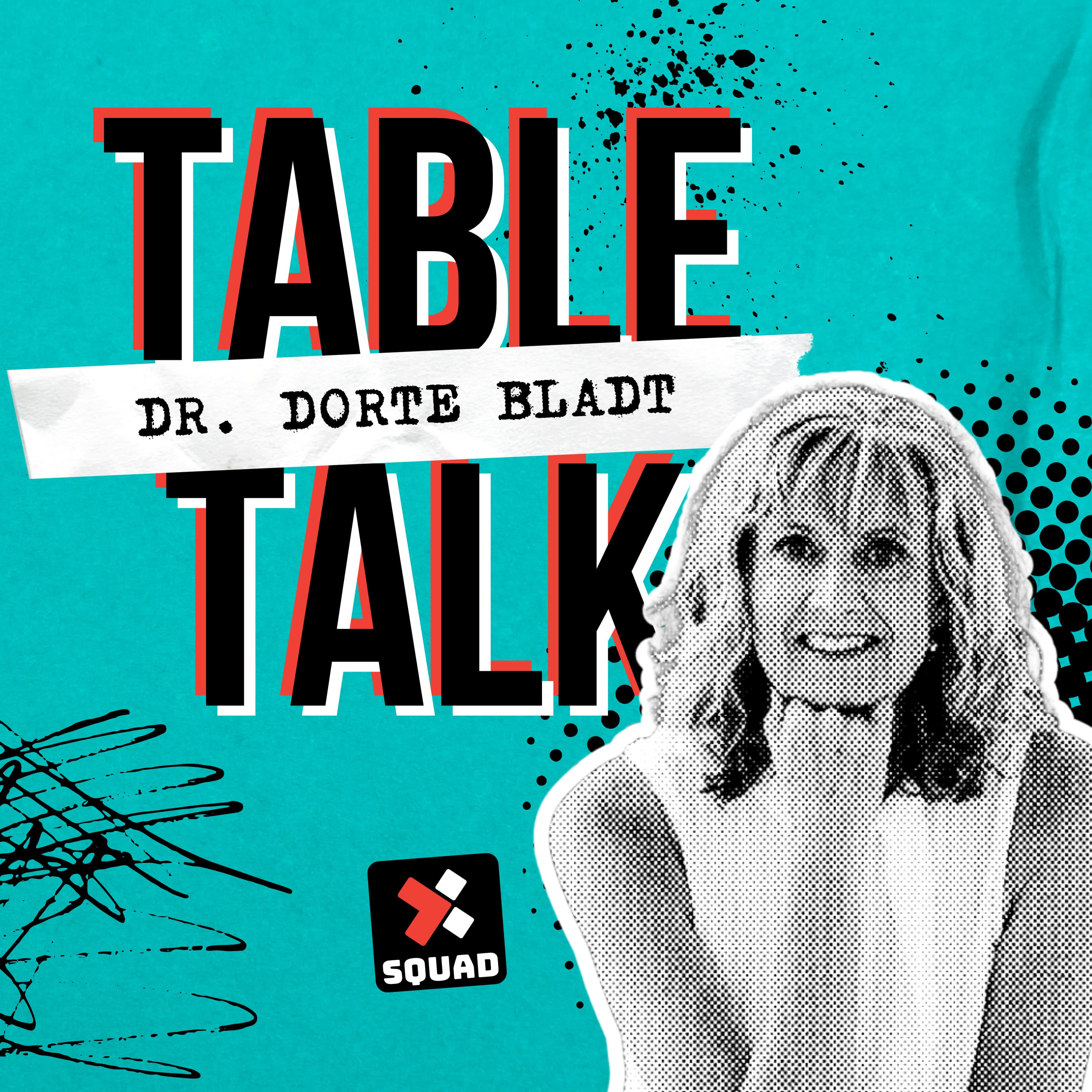
Dr. Steve Tullius and Pacha Hornaday talk with Dr. Dorte Blatt, a chiropractor of 36 years and founder of the Switched On Kids programs and the Kids Summit, about why more chiropractors do not see children in practice. They cover building confidence and communication skills for pediatric care, the fallout from the Safer Care Victoria review that restricted chiropractors from treating kids, and ongoing efforts to fund pediatric subluxation research. The conversation gives practical insight for chiropractors who want to grow a family centered, subluxation focused practice.
Dr. Dorte Bladt shares why getting more children under chiropractic care starts with helping parents clearly understand what chiropractors are looking for and why it matters. Drawing from decades in pediatric practice, she explains how symptom-focused communication can limit care when parents cannot see or feel the nervous system changes happening in their child, and why objective assessments can make those changes more tangible. The discussion digs into confidence, research, pediatric training, and the need for chiropractors to move beyond fear when communicating subluxation-centered care for children. For Dorte, reaching more kids means becoming better at demonstrating nervous system function, communicating the purpose of care, and giving chiropractors the confidence and competence to care for children from birth.
Key takeaways
- 1
Fear Keeps Doctors From Seeing Kids
Many chiropractors want to work with children but hold back because they doubt they can get results or know how to interact with them.
- 2
Safer Care Victoria Review Restricted Pediatric Care
A government review in Victoria, Australia halted chiropractors from seeing children, underscoring the urgent need for more pediatric research.
- 3
Kids Summit Funds Pediatric Chiropractic Research
Dr. Blatt's Kids Summit has raised nearly 450,000 Australian dollars to support research validating subluxation based care for children.
In this episode
Jump straight to any moment.
If you liked this episode, be sure to check out
Full transcript
Made by speech recognition, with names corrected. It may contain errors, so check quotes against the audio. Spot a mistake? Tell us.
0:00Welcome and Episode Introduction
Show intro 0:05
Every doc wants to make a bigger impact.
Pacha Hornaday 0:07
What's getting in your way?
Show intro 0:08
You're tuned into the Subluxation Squad podcast. One Squad, One mission. Chiropractic for all.
Pacha Hornaday 0:17
Welcome back everybody. This time we are on episode number 34, I believe. That's right, another episode of this quadcast. If you're watching live, drop a comment, let us know where you're tuning in from. We are really multicultural and global today. Again, we had a guest from Australia yesterday already and we have another one today. I'm very excited about that. If you're interested in joining the conversation, let us know in the comments and we can send you a link and you can ask your questions live. My name is Pacha Hornaday. I'm a brand strategist and identity designer for chiropractors.
And I'm coming to you from a little town just outside of Barcelona in Spain. And my co host as always is Dr. Steve Tullius. Hi Steve.
Dr. Steve Tullius 1:05
Hey Pacha. Hey everybody. I'm in Austin, Texas, chiropractor, 24 years and also I help doctors transfer their certainty to rooms full of people. So today we have a very special guest. Dorothe, welcome to the show.
Read the full transcript (5,669 more words, 11 more chapters)Hide the rest of the transcript
Dr. Dorte Bladt 1:24
Thanks so much. I appreciate being on here. That's great fun.
Dr. Steve Tullius 1:27
Yeah, yeah, we, we like to, you know, you're doing some really amazing things in Australia with the kids Summit and we definitely want to share that with our listeners. But before you do that, we'd love to hear just your story and share more about yourself so our listeners get to know you.
1:36Meet Dr. Dorte Blatt and Her Background
Dr. Dorte Bladt 1:47
Right. Well, I'm a chiropractor of 36 years. I think it is so forever and ever and ever. 37, oh my goodness. Practiced in Denmark, the UK and here in Australia for as I say, quite a few years. Ended up focusing my practice on children. I'm passionate about chiropractic care for kids mainly due to having had challenges with my own family. I think that's the way we all get, or many of us anyway get into to like a passionate position.
My daughter struggled at school and was would today probably have been labeled ADD ADHD without the hyperactivity and really struggled and I sort of put together a process of chiropractic, different types of chiropractic care than what I had learned at school, nutrition and movement, sort of brain stimulating strategies. And she responded really, really well. So I started doing that in my practice and other chiropractors asked, oh, what you're doing? What you're doing?
So I started running my switched on kids programs and I've done that all around the world and then suddenly realized that there was very little research to actually back up the work I was doing. And then I guess that's where the Kids Summit was born. Basically looking for research to back up the work I was doing in practice every day. So the Kids Summit this year We've run the 11th year and we have raised almost 450,000 Australian dollars. I know it's not an American sounds a bit sad. Um, but yeah, we, we have raised a lot and I'm really excited about having been able to sort of support the work we do every day.
Dr. Steve Tullius 3:42
Well, you know, I was. Thank you very much for. And also what. I was in Australia traveling, what, 15 years ago, and the dollar was equal at the time. So, you know, it's just. Just time. It's just time.
Dr. Dorte Bladt 3:55
You know, you chose a bad time. So come now, everything's free.
4:04How Pacha Connected With the Kids Summit
Dr. Steve Tullius 4:04
Well, you know, you and Pacha have really been connected for a while now. So what questions do you have for Dorothe, you know, to really dive into this topic of kids and chiropractic and where the subluxations might be for doctors and the profession there?
Pacha Hornaday 4:21
Yeah, you know, we don't know each other that long. Actually. I think I really just met her because I came across and I honestly don't remember how I came across the Kids Summit. I think it just showed up in my feed somewhere and I was like, oh, that's interesting. And I've got really interested because last year the Kids Summit was in Barcelona and there aren't very many chiropractic events that happen in my neighborhood. So I was like, oh my gosh, a chiropractic event in Barcelona. I got to go there. So I reached out to her and I asked if she needed help with anything because I like to support the things that I believe in.
So I went to the event and I met some great people there, heard some amazing speakers. So I highly recommend if you get a chance to go either in Australia this year or wherever it's going to be next year, you have to check it out. It was, it was very inspiring.
Dr. Dorte Bladt 5:15
That's so lovely to hear. Mainly because you, I mean, you're not taking this back into your practice, right? And that's really what we're trying to do to. To give people tools to use in practice on Monday morning from, you know, well known speakers. And it was so lovely to meet you. It's interesting, isn't it, when you get this reach out, can I help? And I'm like, I don't know who you are. I don't know what you do, but I'm sure you can help. Thank you very much.
5:43Defining the Subluxation Squad's Mission
Pacha Hornaday 5:43
So the subluxation squad is really about finding subluxations in people's practices and in the industry. So our first question, usually for our guests, is, what do you see as the biggest subluxations in the industry or specifically in practices? Chiropractors.
Dr. Dorte Bladt 6:02
Now, the biggest subluxation that I see is that we as chiropractors are not very good at communicating exactly what it is that we do. And that is highlighted in practices that see kids because the parents cannot feel what, you know, if they were on the table themselves. You can point to the solexation and say, you can feel this, right? But you can't feel that when you have a kid on the table. So often parents are judging what we do by symptom relief, and that is a big bugbear. Chiropractic is not about treating symptoms. We are not about removing some sort of problem that the child has.
It is about removing subluxation, removing interference with the nervous system and allowing the little person to be as well as they can be. And that may or may not result in symptom relief. So, yeah, my biggest bugbear, I guess, is the fact that we are not very good at communicating what exactly it is that we do, what it is we're looking for with nervous system interference, and what is our way of measuring how there's an improvement.
Dr. Steve Tullius 7:13
Yeah, I can absolutely relate to that. That was a huge pain point for me early in my career. I was really frustrated that it was very how difficult it was to help parents understand the need for their children get checked. And what I ended up doing was I sold my practice, started from scratch, and I started a pediatric focused practice where all of the messaging was all pediatrics. And what I found was, man, it was so much easier that way. And then not only was it easier to get the kids in, but then it was so much easier to get the parents in, and now they understood it for the right reasons. It was no longer about back pain, neck pain.
It was all about the nervous system. So what are your thoughts on that in terms of what we could be doing differently to get more kids under care?
Dr. Dorte Bladt 8:10
Well, that's awesome. I love that. That's such a beautiful story. But what I teach in my sweet Stone Kids programs is basically ways of checking kids where you can demonstrate to the parents how the nervous system is working. So it's. Rather than spending a lot of time on talking, it is a Question of demonstrating. One of the great ways to demonstrate is, for example, checking the pulmonary reflexes. And the communication should not be, oh, you've got a pyramidal reflex. Now I've adjusted, now it's gone. That's not how it works. But it is by showing the adaptation in the nervous system over time.
So you're actually getting, you know, that whole healing phase in the communication, but without necessarily blah, blah, blah, blah, blah. But actually showing, you know, this was what we did, this is what it looks like now. What do you think? And that seems to be working. It works really well for me anyway.
9:13Why Doctors Hesitate to See Children
Dr. Steve Tullius 9:13
What do you think is the, you know, you mentioned having a child with some challenges was a huge turning point for yourself for. And one of the things I've noticed as I, because I help doctors reach those parents through workshops, but what I've noticed is a lot of them want to see kids, but they sometimes are afraid that they're not going to get results because they haven't had as much experience. So for those. And they don't have a child with these challenges, so now they don't feel like they can relate necessarily. What kind of advice do you have for those doctors who do want to start seeing more kids and helping more families?
Dr. Dorte Bladt 9:57
I guess it goes along a long way, like when I do a lot of work with the students here in Australia, so I'm just going to start there. And number one is visit everyone that you know that has a child that has a baby and interact with them. You know, get to learn how to hold them, get to learn how to talk to them. You know, you, you don't speak to a little person as you do to, to an adult. And you don't expect that you can use the same procedures, know, to, to get them to lie down when you enter the room, you know, ready for an adjustment. Yeah. Ha, ha, ha. Good luck with that one. Right.
So it's a bit more like go with the flow, play with the, not play with the kid, but, you know, be at, at their level and communicate with them at their level and then see where you can check what. So don't, don't force anything because that makes the kids scared. So whether you are talking babies or a younger child, just basically stop all your thinking of this is how it's done. Just go with the flow. I think that's the, the number one. Number two is, yeah, well, observing what normal is. If the chiropractor has kids on their own, you know, figure out what, what is a normal reaction? What is a normal what do they perceive as normal?
What's a normal reaction time? You know, recognizing that the child, when they get home from school and they're hungry. Well, that fuse is a bit shorter when you have a neurodivergent child. That fuse is shorter yet. Recognizing that the. The innate capacity of the child will always, always, always protect the child. And we may see that as not great behavior or we may see that as, you know, a disease process, but what it does, it does is protect the child. And working within that innate healing capacity will make the difference between forcing something upon a little one and actually making.
Working within the system and allowing them to heal.
Pacha Hornaday 12:05
I imagine there's some. I mean, I see it with some people who don't have children in general or even, I mean, just the education system itself. Like, in general, like, children are often either, like, talked down to as if they're not. Not quite finished or something.
Dr. Dorte Bladt 12:29
You know, they're not.
Pacha Hornaday 12:30
I don't know, they're not really people yet. It's just like.
Dr. Dorte Bladt 12:33
I know.
Pacha Hornaday 12:35
Or like people just don't. Don't know how to. Yeah. How to. How to talk to children in general or even how to interact with them. And I'm wondering when it comes to chiropractic care, like, if there's something that you have to be aware of too. I mean, they have smaller spines, you know, different nervous systems. It's like everything. I don't know if they respond faster or slower. I don't know how that works. But I think, like, one point that stood out to me, working with the Kids Summit Content and learning more about this is that they're not just smaller adults.
Dr. Dorte Bladt 13:10
Absolutely.
Dr. Steve Tullius 13:11
Yeah.
Pacha Hornaday 13:12
So, like, I think that's where some of the fear could come from that chiropractors might have. What's a good way to approach that? I'm guessing training is one way of doing that.
Dr. Dorte Bladt 13:23
Training is hanging out with kids and observing, you know, putting your. Yeah. Removing your blinders and actually see them for what they are. They are so not little adults. They are like you say, they have different spinal structures. I mean, even for the adjustment, you know, the angles are different. And you have to know that. You also have to know how to assess a child. You would never put a child down and do a straight leg raise because. Well, you can, but, you know, you're not going to get much information from it. So you are absolutely spot on that seeing children is a. It's a different specialty.
Just like maybe sports is a different specialty and we are not well equipped straight from college or University to actually know how to work with children is my opinion. That doesn't mean that you necessarily have to go and do a master's degree. I have a master's degree, but you know, I'm passionate. You don't have to do that, but you do need to do some courses with some people that know what they're doing to learn what does, what does a well functioning system look like? What does the system look like when they're struggling? But you know, it's so doable. It is a commitment. Just like you learn how to adjust extremities. You.
Not that I want to call kid an extremity, but you know, if you want to get into a specialty, you know, you children is a specialty and yes, respect, Respect the child. They're not just an add on, you know, that whole thing. Sorry, I'm gonna jump on my bugbear. That whole thing of oh well, mom and dad are coming in, I will just check the kid for free. Absolutely no, pardon my language bloody way. They need the same respect and the same focus and the same intent as an, an adult and they should be charged for just like every other person that you see.
15:17Communicating Chiropractic Value to Parents
Dr. Steve Tullius 15:17
Yeah, you know, let's, let's talk about that because I'm with you on that. I used to do it because I didn't know how to communicate the value of chiropractic to a parent in a way that they would understand the necessity of having their child checked. And so I think we really need to call that out for what it is and not pussyfoot around it. It's a big problem in chiropractic when, when people are not applying the same standards of care to a, any human or animal for that matter, just because they're afraid or don't have the skill set to, to communicate.
Dr. Dorte Bladt 16:03
Yeah.
Dr. Steve Tullius 16:04
So obviously you know, you're, you're. So solutions I think are spot on. You know, training, like it takes training and it takes awareness. Like, okay, why would we ever give them less care because they're not on a care plan at that point and why would we ever not charge for our services? How does that communicate value?
Dr. Dorte Bladt 16:29
Exactly. And when you think of the value that you have, you have the potential when you're working with a child, you have the potential to change their health for life. And, and then it's, it's, I mean it's the most powerful time to get a little brain to work properly. Little brain and little nervous system. So yeah, definitely know what you're doing and yeah, put them on a care plan. Charge accordingly.
Pacha Hornaday 16:51
Yeah, I would say it even undermines your, your messaging if you don't, because, like, you're, you're totally devaluing your service. Like, if you're saying, you know, I'm not charging for checking this nervous system, like, what. Like that means you're actually just charging for treating a symptom kind of, doesn't it? I mean, that would be kind of.
Dr. Dorte Bladt 17:13
Yeah, I think you go ahead. No, I was just gonna say enough. Often people, you know, so you're doing a family check. So it's a wellness check. And I think that's where it. Oh, well, it's just a wellness check. Well, you know, why isn't the child's wellness just as important? Right. It's. It's again, a lack of understanding of optimum health and, you know, innate expression of innate potential that I think is so important and should be treated with respect.
Dr. Steve Tullius 17:47
Yeah. And how do, how do they know it's a wellness check if they've never had a proper exam? You know, if there's not been. If they're not following the same protocols that they use? Now, that's a whole nother conversation about pre, you know, what are your objective measures? Right. But if they're not following that, then again, it goes back to not following the standard of care. And maybe they're not clear potentially on what is the standard of care for adult or for pediatric population. But yeah, it's definitely a huge problem. And I'm sure that's one of the problems that this, the Kids Summit helps correct. Right.
In terms of how to communicate with parents and communicate the values that when people come to the Kids Summit, is that one of the topics that's discussed?
Dr. Dorte Bladt 18:33
We, we cover anything and everything based on the presenting chiropractor's passion. I guess so, yes, it is communication, it is assessment, it is treatment. I don't like that word. But, you know, chiropractic technique, it is. A lot of it is often centered around research because that's what we raise funds for. So when you attend the Kids Summit, you basically leave with a whole pocket full of tools that you could use on Monday morning to communicate, to demonstrate, to take into practice. And we really want to sort of approach the whole chiropractor.
We also put a lot of focus on the connection with other chiropractors because I feel one thing is that you learn from the presenter on the stage, but the conversation around the cup of tea is where I find you get a lot of. You get a lot of inspiration and motivation and Excitement because you're talking to people who do what you do and you know, you, you. Yeah. I always leave so excited because it's, it's been, it has, it's, it's filled my cup from so many different angles.
Dr. Steve Tullius 20:02
Yeah. And that accountability piece, you know, with meeting other colleagues, you know, getting the friendships, the camaraderie, everything about that. Pacha.
Pacha Hornaday 20:13
Yeah. What I really love about the kids summit, I just have to chime in, is that there's actually hands on workshops are part of it. Like, I think as a, as a chiropractor, I would appreciate that most because you're not just hearing the theory or some inspirational speech from a stage. There's actually people on the ground, they show you how to hold it and you know, how to do certain things, how to check the mom and like that. I thought when I was there, when I saw that, I was like, this is, is really cool. This, like, I would appreciate it as a kind friend.
Dr. Dorte Bladt 20:43
Yes, yes. Yeah. And also it makes you, it provides an opportunity to actually have a chat to the, the people on stage. Right. Which I think sometimes, you know, you put them up in the pedestal and they, oh, they're so smart, they're so clever. And then when you actually get in a workshop situation where there might be whatever six or 10 or 15 people in a workshop, you're actually right there, you're talking to them. You can ask the question questions. What do you mean? I don't understand. What's that angle? Yeah, so it's a really great way to learn more about kids.
Dr. Steve Tullius 21:18
So, you know, we were talking about this a little bit before we went live. I think it's really, really. This is going to be one of the most important topics in chiropractic pediatrics. And that's the attack on pediatric chiropractic that occurred and potentially is still occurring because I don't. And I'd love for you to speak to that. But a few years ago, maybe, maybe it's not a few now in Australia, Canada, the uk, there was a very organized movement to limit and prevent chiropractors from seeing children.
So one if our listeners, if this is new information to you, I'd encourage you to really stay connected to what's happening globally because that's not a small thing, that's a really big thing. And Dorte, since you're there, having experienced it, I'd love to hear your thoughts on this topic.
22:15Impact of the Safer Care Victoria Review
Pacha Hornaday 22:15
Yeah.
Dr. Dorte Bladt 22:16
So you were talking about the Safer Care Victoria Review that we had in. Yeah. Was it 2019? I can't remember. I tried to plot it out of my memory, but where they basically put a stop to chiropractors seeing children. Initially they were trying for under 12, but it ended up being a limitation to under two. So we cannot do a fast velocity, low amplitude type of adjustment in children under two which you can get around. So it's doesn't limit you unless you let it limit you. But that, that's a, that's an aside. The, the repercussions of that I think have definitely created that there's a, there's.
When you look up, for example ChatGPT or the other AI platforms, they will recommend that you don't see a chiropractor because there is no research to support that you do. So we are not getting a lot of incidental traffic. It is only when people are actually looking for a chiropractor that they get shown who to see. We had an absolutely incredible feedback from people who know what we do. So the review looked at patient satisfaction and it was outstanding. And now I can't remember whether it was 97 or 99.7 or something. It was absolutely out of this world. No profession I reckon would ever have had that positive feedback.
It was just incredible. However, of course that's getting pushed behind the fact that we still don't have any research to support the work that we do. They wouldn't take a lot of the research in their review because it wasn't meta analysis. They want high standard or high level research. So all the work that we're doing at the neurophysiological level wasn't actually accepted, even though we can demonstrate that yes, an adjustment appears to change the function of the prefrontal cortex and it changes heart rate variability and all those sorts of things. They weren't accepted. And we have very minimal research into children.
So that's one of the reasons the kids are disease here. We need to, we need to support the work that we do every day.
Dr. Steve Tullius 24:48
I, I want that just to sit with everybody for a moment because we all want to see, you know, we recognize the value of seeing kids massive potential. So many people talk about the what the world would look like if every man, woman and child was checked from birth throughout a lifetime. Yet you're telling us that we don't have the research to even support that concept. And so listeners, I would implore you to make sure that a portion of your income it goes to support the thing that you say you believe in so strongly. And so the Kids Summit is doing that. You said you've raised $450,000, which. It's a large amount.
It's whether it's in US dollars or Australian or Canadian or whatever, it's more than I've donated to research. So thank you very much. Number one, there's other, you know, there's other avenues people can donate to, to support research. Something really cool is happening right now. Dorothea, I don't know if you're aware of this, but here in the US we have something called Making America Healthy Again. It's a movement to help shift the health of the country. And through political activism we have some very unique opportunities, bigger than I've ever seen, to get funding for pediatric type of research.
So we're very excited and hopeful that we're going to see some research. Really big funds coming in to support that type research.
Dr. Dorte Bladt 26:32
Oh, that's fantastic. Part of our funds this year will actually be going to the States because we've got the International Pediatric Chiropractic association speakers coming across to Australia this year. So we'll be doing part funding to New Zealand where we normally donate and to the ICPA as well. And I know that that's not necessarily the. We realize that this is not an Australian issue, this is a worldwide issue.
Dr. Steve Tullius 27:01
Absolutely.
Pacha Hornaday 27:04
Very good. Do you think we should do well? Do you have any more questions, Steve, or should we move over to our rapid fire round?
Dr. Steve Tullius 27:12
Yeah, I guess. Well, before we do that, just when is the summit? So we make sure we give all those details. When is the summit happening this year? Where is it? What's the best way to register? Can you please share that information with us? Torte?
27:13Kids Summit Locations and Future Plans
Dr. Dorte Bladt 27:27
Yep. Yeah. So the kids summit this year is in Sydney, Australia in a beautiful spot and it is September 12th and 13th. So coming up in. What's that, six weeks time. Super excited about that. People can register by going into the Hyn Kids. Hyn summit dot com. No, hang on dot com. Sorry, no AU on that one. And if coming down this way is not in your. In your foreseeable future, you can donate. There's a donate button on there as well. And we would appreciate. Yeah. Any funds that we can, that we can have so we can continue to support research into children.
Dr. Steve Tullius 28:14
Awesome. Yeah, go ahead, Pacha.
Pacha Hornaday 28:16
No, I just wanted to say I always love the idea of established doctors supporting students. So you could sponsor a ticket for
Dr. Dorte Bladt 28:24
a student to attend local, which would be amazing. We need, we need bored young Cairo's knowing what to do. Absolutely, yes. So please do that.
Dr. Steve Tullius 28:35
Awesome. Yeah, thank you so much. And do you have A date for next year then. And will you be coming to the. To the U.S. are there some plans for that at all?
Dr. Dorte Bladt 28:44
There are no plans for the States quite yet. We would love some support if someone can help us. We did San Francisco in. I can't remember. It might have been 17 and we did Chicago as well. But it's really difficult from here to actually reach American chiropractors because you don't have one association. So we'd love to come but we would need somebody who's are on the ground. The. So the 2027 is scheduled for Barcelona in, in September 18 and 19. We're trying to go away from the public holiday. We didn't. We were a bit slow to catch on that. That that second weekend was a public holiday in. In Barcelona. So. Yes. 18, 19, 2027 in Barcelona.
Dr. Steve Tullius 29:37
Okay, well maybe. So I'm on the board of Sherman College of Chiropractic and. And so maybe 2028 we could work in Spartanburg, South Carolina.
Dr. Dorte Bladt 29:47
Oh, that sounds fantastic. Yeah, I'm in. Book it in.
Dr. Steve Tullius 29:53
I'm gonna offer the. The school. I don't know if I can officially do that but I know the president quite well and yeah, we'll. Let's. Let's communicate on that for sure.
Dr. Dorte Bladt 30:04
Excellent. That sounds like fun.
Dr. Steve Tullius 30:06
Yes, I'm sure.
Dr. Dorte Bladt 30:08
Thank you. Appreciate it.
Dr. Steve Tullius 30:10
Absolutely, absolutely. So let's. Pacha, do you have a rapid fire question ready for Dorothea?
30:16Bigger Conversations Needed in the Profession
Pacha Hornaday 30:16
All right, let's get started. I guess we always kind of COVID this question already but what do you see as the biggest conversation in the profession that is not happening right now, but should be?
Dr. Dorte Bladt 30:30
Well, we have covered that, but I'll change it a little bit. I think the innate in children we have focused so much on the newborn baby being perfect health, you know, have been 100% expression of innate intelligence. And I think that we are missing the boat on that one. That we actually have challenges right from the word. Right from the word go. And we need to have a bigger understanding of the expression of innate and the need for. Yeah. Optimum health from. From a chiropractor. From birth.
Dr. Steve Tullius 31:07
Yeah, absolutely. And what's something that nobody knows about you?
Dr. Dorte Bladt 31:19
That I ran a marathon at the age of 17 after having partied too late in the morning the day before.
Pacha Hornaday 31:29
That's pretty.
Dr. Dorte Bladt 31:31
I was gonna say not many people know that because that was stupid.
Pacha Hornaday 31:37
Did you make it all the way to the end?
Dr. Dorte Bladt 31:40
I did. I did go home for. For breakfast on the way. Decided I felt a little bit.
Dr. Steve Tullius 31:46
A little break.
Dr. Dorte Bladt 31:48
That's funny.
Dr. Steve Tullius 31:49
You Earned it the night before.
Dr. Dorte Bladt 31:51
What? Sorry. Yeah.
Dr. Steve Tullius 31:53
You earned that break the night before.
Dr. Dorte Bladt 31:54
Yeah, I think I did.
31:57A Book That Reshaped Her Thinking
Pacha Hornaday 31:57
What's a book or idea that rewired your brain?
Dr. Dorte Bladt 32:06
Oh, my goodness. I have read so many books, it is tough to remember the. I think that the book I will probably have to go by is Maddie. Marty Rosen's book on cranials rewired my brain in. In mainly the absolute power that we have to change the nervous system via the cranium. I'm a Palmer grad and I was very much a spinal adjuster. But yeah, Marty Rosen's book opened my understanding of the importance of adjusting. Above. See one.
Dr. Steve Tullius 32:54
What is. Hey. Oh, here's Rhonda. What's the price we're paying for trying to be acceptable?
Dr. Dorte Bladt 33:04
We are. It is huge at the moment. I'm from Denmark, and as you know, chiropractic is part of the health system of much more part of the health system in Denmark. And the fact that the Danes were willing to give up adjusting necks for a while and adjusting children for a while or babies under. I think it was under one that they were banned from, which to me is. You're putting your head on the block. We might as well chop our heads off. That's obviously the extreme. But we are so focused on becoming part of a system that is treating symptoms that we're actually settling our soul. Chiropractic has never been about treating symptoms.
It's about optimizing expression of health, removing nervous system interference. And I think that we cannot enter the. Cannot enter that field at all. That's not what we do. We just have to accept that we are approaching health from a pseudogenic model the complete opposite side of where the system is going.
Dr. Steve Tullius 34:12
Absolutely.
Pacha Hornaday 34:15
I don't know if this is a good place where you are right now, because I'm. I'm guessing you're not in the office yet, but show us something around you or in your workspace that has meaning to you and why.
Dr. Dorte Bladt 34:27
Okay, hang on. Just two sets. My experiment is dead, but it means a lot to me. I use it every day, all the time, because kids often don't like manual adjustments. So, yeah, a system that's not hard on my hands.
Dr. Steve Tullius 34:53
Yes. Nice. And who are three guests that we should interview next?
Dr. Dorte Bladt 35:04
I think you should interview Julie Uren, who is part of the kids Summit. She is an. Was a midwife for many, many years, and she is absolutely superb in her understanding of natural birth, or if you want an angle on it, be back as imaginable birth after cesarean. I think Nimrod should be on. You may have had him already. Nimrod has the most amazing understanding of consciousness and the link between consciousness and innate and chiropractic. So I think he would be amazing. Third one. Oh, there are so many people that would be interesting to talk to. Maybe, maybe the girls from evolution. What do they called Elevate. Elevate chiropractic.
They're two second generation kids, chiropractors. Their dad, Glenn McGinnis, started teaching. He was one of the first ones that I took a course from, you know, 30 years ago or more than that. But he started teaching pediatrics and now his two daughters are running elevate chiropractic. So they're teaching pediatric chiropractic and are doing an amazing job of, of making it really accessible for young, young chiropractors. They're doing a very basic course. So yeah, I'd probably interview them. Cool. Awesome.
36:43Vision for an Unsubluxated Profession
Pacha Hornaday 36:43
All right, our big question at the end. What does an unsubvuxedated professional profession look like to you?
Dr. Dorte Bladt 36:50
An unsupplaced profession would. There's many, many, many, many more of us. We check children from birth. We check children in the birthing suite. We're part of, of the birth team. We adjust based on the nervous system interference rather than symptoms. So everyone is on wellness care, getting a regular checkup, whether that's weekly or monthly. That is up to the individual. But yeah, just adjusting from a much higher energy level than where we're at now. Awesome.
Dr. Steve Tullius 37:30
That's why we have this show, so we can speak these things out into the world and talk about how to solve for them. And we really appreciate you, Dortel, doing what you're doing, making a huge impact and inspiring many others to do the same. So thank you so much for being on the show and doing what you're doing out there.
Dr. Dorte Bladt 37:49
Thank you. Thank you so much for having me. It's been a great pleasure.
37:52Sweet Stone Kids Programs and Closing Thoughts
Pacha Hornaday 37:52
Yeah. So let's repeat again where people can sign up for the Kids Summit and where the next ones are going to be so they can find you if they want to. Maybe they want to get coached by you.
Dr. Dorte Bladt 38:06
Yeah.
Pacha Hornaday 38:07
Also an option, right?
Dr. Dorte Bladt 38:08
Oh, option. Well, I'll start with the Kids Summit this year being in, in Sydney on the 12th and 13th of September. And it's www.the hyphen kids-summit.com. they can register and donate. And me, I'm daughter Platt. I run the Sweetstone kids programs and they can find me on www.daughterblatt.com. and yeah, I do coaching and one courses to help chiropractors feel confident and competent in taking care of children from a subluxation based angle. Awesome.
Pacha Hornaday 38:49
Fantastic.
Dr. Steve Tullius 38:51
Thank you again so much listeners. Be sure to go to that website, check out to all the websites and to you'd like to work more closely with Dorte, then reach out directly. Thank you so much everyone and until next time, we'll see you soon. Bye.
Pacha Hornaday 39:08
Next time.
Dr. Dorte Bladt 39:08
Bye bye bye.
Subscribe and review
If this hit, help another chiropractor find the show.
If you love this episode, please take a moment to subscribe and leave a review on Apple Podcasts or Spotify. Your support helps us reach more chiropractors who need these insights. Thanks for tuning into the Squadcast. See you next week.